
Spray Foam Insulation
High-performance thermal insulation for walls, roofs, attics, and industrial buildings. Seamless, air-tight, energy-efficient.
Why Spray Polyurethane Foam (SPF) Is the Standard for High-Performance Insulation
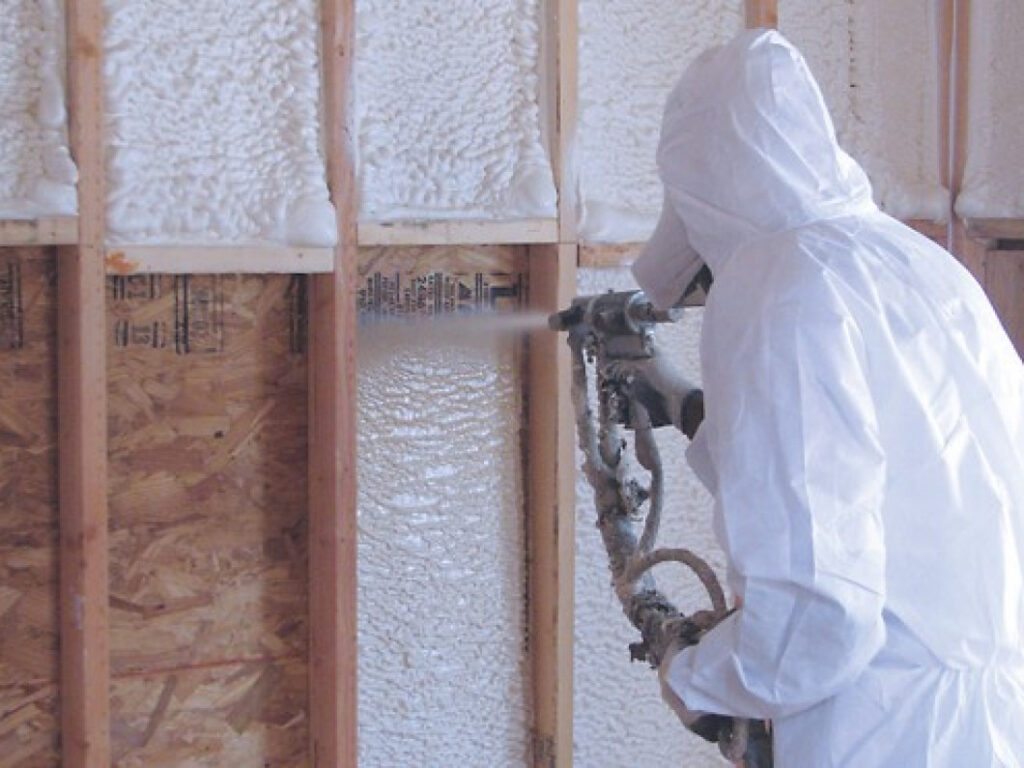
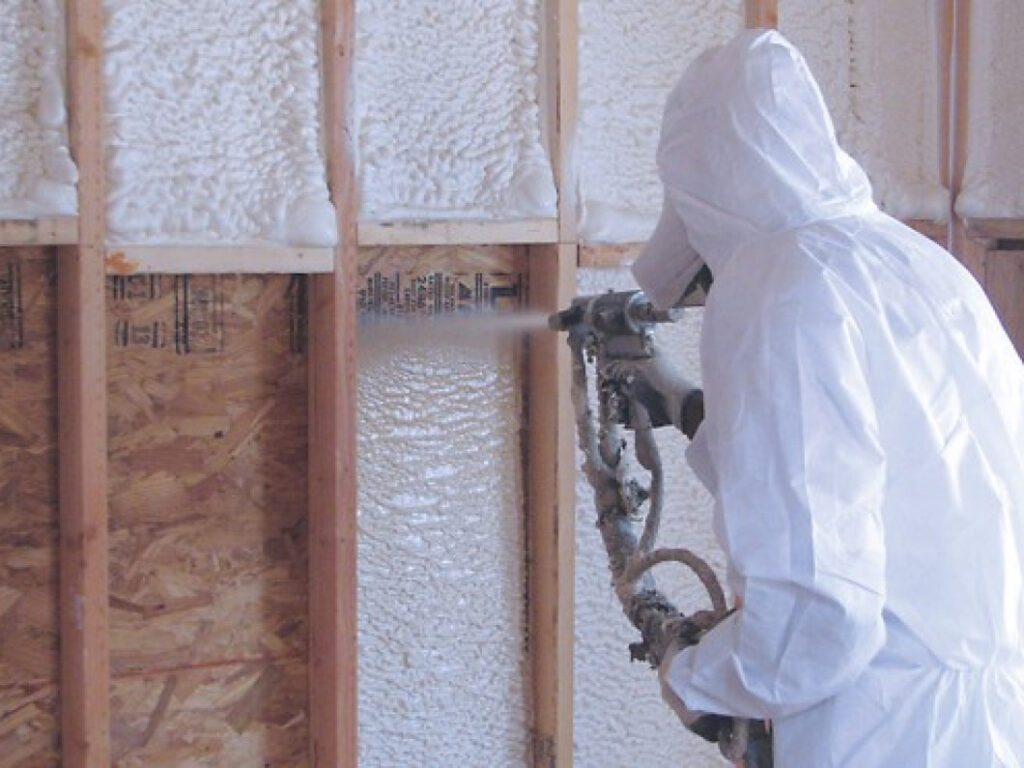
Spray polyurethane foam is the only insulation type that combines air sealing, thermal insulation, and moisture control in a single application. Pioneer JYYJ high-pressure plural-component machines (25–36 MPa) deliver consistent cell structure across closed-cell (40–50 kg/m³, R-6.5/inch) and open-cell (8–10 kg/m³, R-3.7/inch) systems — covering every building type from residential retrofits to industrial cold storage.
Compared to fiberglass batts, SPF achieves 35–50% higher whole-wall R-value because it eliminates thermal bridging and air infiltration losses. Compared to cellulose, it doesn't settle over time. With proper machine calibration and substrate prep, an SPF system installed today carries its R-value for 50+ years without degradation.
Warning Signs Your Building Needs SPF Insulation
SPF retrofit becomes urgent — not optional — when buildings show these symptoms. Energy waste compounds: every winter without proper insulation costs 30–50% more on heating bills than a building with SPF would have.
SPF Applications by Building Type — Recommended Pioneer Equipment
Pioneer JYYJ plural-component machines cover every SPF application. Below: 4 building type categories, each with the typical sub-applications and the JYYJ rig configured for that scale.
🏠 Residential SPF Applications
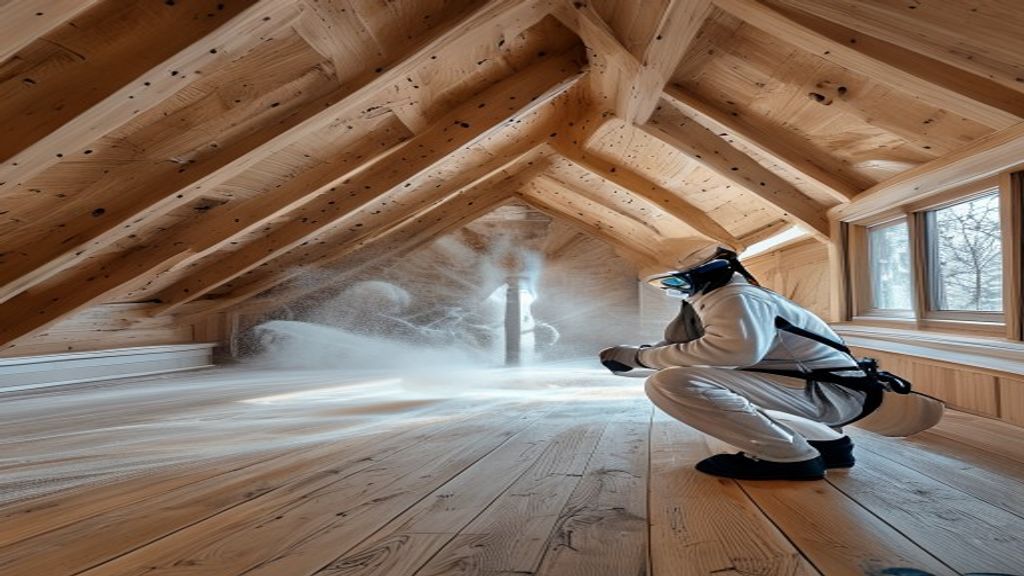
Recommended machine: JYYJ-Q300 pneumatic spray machine — 2-10 kg/min at 30 MPa, 15 kW heating. Right-sized for single-family homes, garage conversions, and small multi-unit projects.
Wall Cavity Insulation
Closed-cell 50mm or open-cell 90mm in stud cavities. R-13 to R-21 typical. Eliminates draft and improves indoor air quality.
Attic Floor + Knee Walls
Closed-cell 75-100mm. Stops air leakage in #1 heat-loss zone. Enables attic-to-living-space conversion.
Basement & Crawlspace
Closed-cell 50mm on rim joists and walls. Moisture barrier + mold prevention + 24-36 month payback.
Rim Joist Sealing
Closed-cell 50mm targeting the #2 cause of residential heat loss. Often retrofitted in one afternoon.
Attic Living Space
Open-cell 150-200mm for sound damping + thermal performance with budget efficiency.
🏢 Commercial SPF Applications

Recommended machine: JYYJ-H600 hydraulic spray machine — 2-12 kg/min at 36 MPa, hydraulic stability for sustained 8-hour production runs. The commercial workhorse.
Steel Frame Walls
Closed-cell 75-100mm. IECC 2021 / ASHRAE 90.1 compliant in single application. Eliminates need for separate vapor barrier.
Flat Roof Decks
Closed-cell 75-100mm direct-to-deck. Adds R-20+ while doubling as air barrier. 50+ year service life.
Masonry Cavity Walls
Closed-cell injected into block cavities. Continuous insulation per IECC 2021 with no thermal bridging.
Interior Sound-Damping
Open-cell 50-90mm in interior partitions. 50-80% airborne sound reduction. Common in hotels, hospitals, offices.
🐄 Agricultural SPF Applications
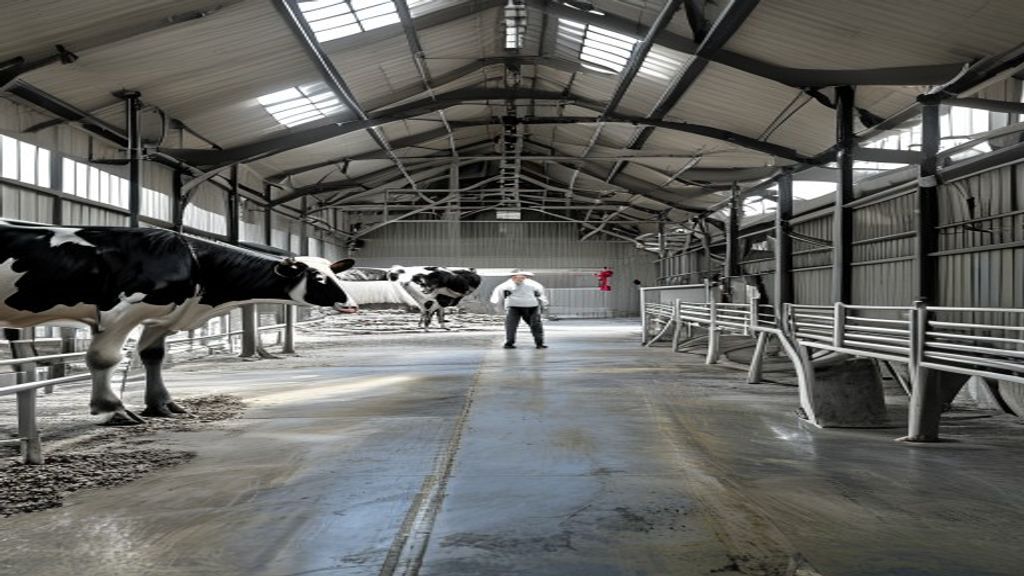
Recommended machine: JYYJ-H600PK flagship hydraulic with 10" PLC — adjustable 1:1 to 1:2 mix ratio, recipe memory for switching between barn / poultry / silo specs without recalibration.
Dairy Barns + Calf Hutches
Closed-cell 75mm with vapor barrier. Withstands washdown chemicals. Maintains barn temperature in -30°C winters.
Poultry Housing (Blackout)
Closed-cell 50-75mm. Special black-tinted formulation for layer hen blackout requirements. Pest-resistant continuous seal.
Livestock + Equine Barns
Closed-cell 50-75mm. Controls radiant heat in summer + retains body heat in winter. Reduces feed conversion stress.
Grain Silos + Storage
Closed-cell on silo exteriors. Prevents condensation that triggers grain spoilage. Adds structural integrity to aging silos.
Greenhouses
Closed-cell on north walls + foundation. Reduces heating cost 40-60% in commercial greenhouse operations.
🏭 Industrial SPF Applications

Recommended machine: JYYJ-H-V8T heavy-duty hydraulic with PLC (flagship — contact for quote) — 2-15 kg/min at 36 MPa, low-temperature protection for cold-environment work. The industrial workhorse.
Cold Storage / Freezer
Closed-cell 100-150mm. -20°F to -40°F service. R-value retention verified per ASTM D2126 freeze-thaw cycling.
Process Pipe Insulation
Closed-cell 25-50mm wraps. Hot pipe (steam/process water) + cold pipe (refrigeration). Industrial chemistry plants.
Metal Building Roofs
Closed-cell direct-to-metal over purlin systems. Eliminates condensation drip + R-30+ in single application.
Tank / Vessel Exterior
Closed-cell 50-75mm. Industrial storage tanks, fermentation vessels. Reduces evaporative loss + temperature control.
Application × Spec Quick Reference
Match your project type to density, thickness, and machine in one table:
| Application | SPF Type | Density | Thickness | R-value | Machine |
|---|---|---|---|---|---|
| 🏠Residential Wall | Closed-cell | 40-50 kg/m³ | 50mm | R-13+ | JYYJ-Q300 |
| 🏠Residential Attic | Closed-cell | 40-50 kg/m³ | 75-100mm | R-19+ | JYYJ-Q300 |
| 🏢Commercial Steel Wall | Closed-cell | 40-50 kg/m³ | 75-100mm | R-20+ | JYYJ-H600 |
| 🏢Commercial Roof Deck | Closed-cell | 40-50 kg/m³ | 75-100mm | R-20+ | JYYJ-H600 |
| 🐄Dairy / Livestock Barn | Closed-cell | 40-50 kg/m³ | 50-75mm | R-13 to R-19 | JYYJ-H600PK |
| 🐄Poultry House | Closed-cell | 40-50 kg/m³ | 50-75mm | R-13 to R-19 | JYYJ-H600PK |
| 🏭Cold Storage Walls | Closed-cell | 40-50 kg/m³ | 100-150mm | R-28+ | JYYJ-H-V8T |
| 🏭Process Pipe | Closed-cell | 40-50 kg/m³ | 25-50mm | R-6 to R-13 | JYYJ-H-V8T |
| 🏢Interior Partition (Sound) | Open-cell | 8-10 kg/m³ | 50-90mm | R-15 to R-22 | JYYJ-H600 |
SPF Installation — 5-Step Process
The 6 Advantages of SPF Over Alternative Insulation
Three SPF Material Systems — Choose by Application
Not all SPF is created equal. The right chemistry depends on your service environment, code requirements, and budget.
Pioneer JYYJ machines are formulation-agnostic — the same rig sprays all three systems. Choice of material is independent of equipment selection.
Insulating agricultural buildings? See our dedicated pages on livestock and barn spray foam insulation and poultry house insulation.
Recommended JYYJ Machines
JYYJ-H600
Entry-level hydraulic spray machine — the gateway to professional-grade pressure. 2-12 kg/min at 36 MPa with 6-18 MPa hydraulic system pressure. Compatible with both polyurethane foam and polyurea coatings. Air-cooling system protects motor and pump for sustained heavy-duty operation.
JYYJ-H600PK
Adjustable-ratio hydraulic spray machine with 7-inch PLC touchscreen and adjustable mixing ratio (1:1~1:2). 2-10 kg/min at 36 MPa for polyurea, high-density foam, and precision-critical applications. Recipe memory and data logging for project documentation. Adjustable ratio handles temperature-driven viscosity shifts and custom material formulations — unique in the JYYJ line.
JYYJ-Q300
Mid-range pneumatic spray machine delivering 2-10 kg/min at 30 MPa — the highest pressure available in the JYYJ pneumatic line. 15 kW heating power and quadruple raw-material filtering provide stability for sustained commercial work. The professional pneumatic step up from entry-level units.
Recommended Materials
Browse Polyurethane Foam (A + B) →- ● Closed-cell rigid PU foam (40-50 kg/m³)
- ● Open-cell PU foam (8-10 kg/m³)
- ● HFO blowing agent formulation (low GWP)
Why This Setup Works
R-value up to R-6.5 per inch for closed-cell — among the highest in the industry
Open-cell (R-3.7/inch, 8 kg/m³) for interior walls; closed-cell (R-6.5/inch, 40+ kg/m³) for roofs, foundations, cold storage
Seamless application eliminates thermal bridging — 30–50% lower whole-wall heat loss vs fiberglass batts
Air-tight barrier reduces HVAC load by 30–40% — typical 24–36 month payback on energy savings
Moisture-resistant closed-cell meets FEMA Class 5 flood-resistant material spec
Adheres to wood, steel, concrete, masonry, and existing membrane roofing without primer in most cases
ICC-ES code compliance pathway available (ESR-3493 / ESR-3700 class equivalents)
Permanent — no settling, sagging, or thermal performance degradation over 50-year service life
Technical Considerations
- Density selection: 40–50 kg/m³ for structural roofs and below-grade; 8–10 kg/m³ for interior walls and ceilings
- Substrate prep: must be clean, dry, dust-free, and above 5°C surface temperature for proper adhesion
- Recommended thickness: 50–100mm for walls, 150–200mm for roofs and attics depending on climate zone
- Voltage matching: confirm 220V single-phase or 380V three-phase before order — electrical specs are non-trivial
- Ignition barrier required per IRC R314 — typically ½-inch gypsum board or ICC-ES approved intumescent coating
- Ventilation during application: spray crews need PPE and project area must be evacuated until cure (~24h)
- Climate window: ambient temperature 5–35°C, RH below 85%, no rain or condensation on substrate
- Storage of A/B components: 15–25°C, sealed drums, use within 6 months of manufacture
- Mix ratio calibration: 1:1 by volume (typical) — drift over 5% causes friability or sticky cure
- Hose temperature setting: 38–66°C depending on chemistry and ambient, heated hose 15–30m typical
Real Projects in Spray Foam Insulation
Representative projects. Full case library expanding with customer authorizations.
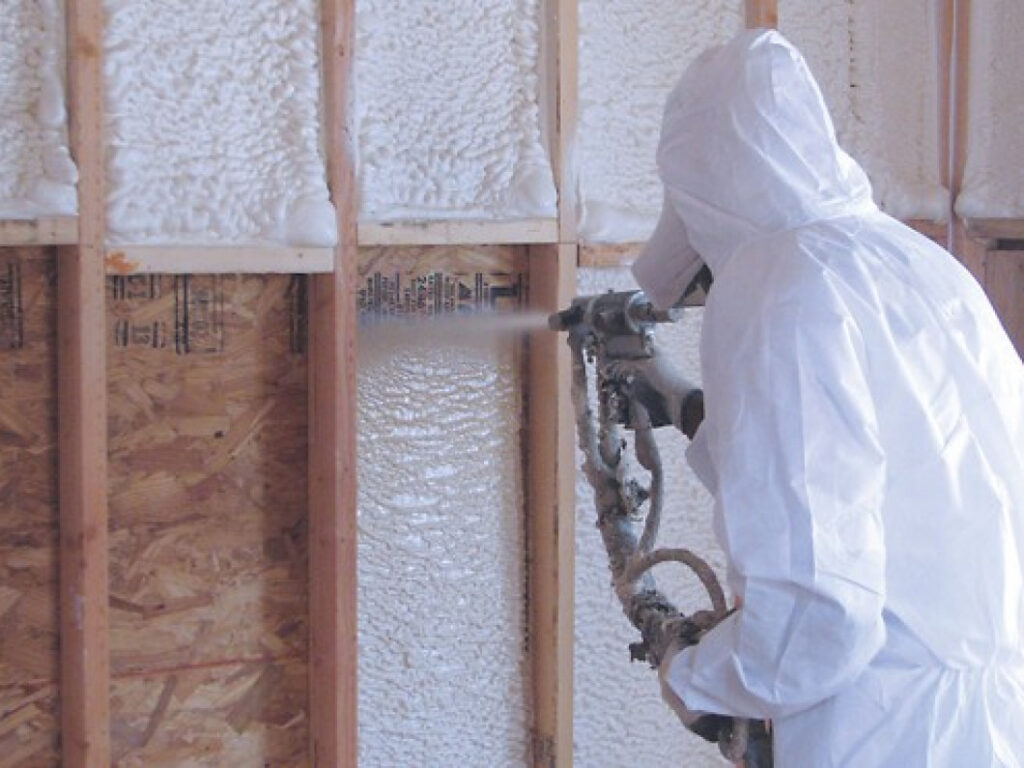
Textile Manufacturing · 2,500 m²
Metal Sandwich Panel Roofing · Tashkent
Textile factory expansion with 2,500m² insulated metal roofing. JYYJ-Q300 pneumatic delivered high-output application at entry-level cost structure.
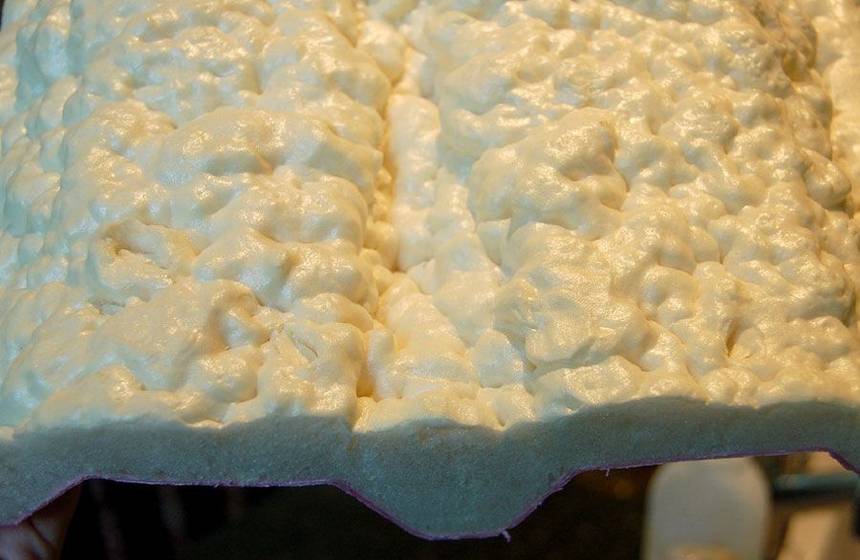
Insulation Contractor · 3 machines · multi-project fleet
Residential Wall Insulation Fleet · Monterrey
Regional insulation contractor standardized fleet on JYYJ-3H for residential SPF retrofits. Entry-level price + professional 25 MPa output enabled rapid crew expansion.
Industrial Dairy Farm · 3,200 m² (cattle housing + milk parlor)
6,000-Head Dairy Cattle Barn Insulation · Volgograd
Modern dairy farm cattle housing with 75mm closed-cell PU foam. Seamless closed-cell insulation targets stable barn conditions and reduced condensation through -30°C winters.
Industrial Poultry Operation · 12,000 m² (8 poultry houses)
500,000-Bird Poultry House Insulation · Almaty Region
Industrial egg-laying poultry · 12,000m² across 8 houses. Stable 18-22°C internal temperature year-round maintained egg production rate above 92% across summer 40°C and winter -25°C extremes.
Customer-specific details available under NDA · Full case studies on request
See Spray Foam Insulation in Practice
More technical videos on our channel: @YongjiaPolyurethanemachinepu
Frequently Asked Questions
What JYYJ machine is best for spray foam insulation?
Do you supply the raw materials too?
How long is shipping to Russia / LATAM / Middle East?
Do you provide technical training and installation support?
What certifications does the equipment have?
Planning a spray foam insulation project?
Share your output, voltage, and project scale. Pioneer recommends a matched JYYJ machine + material combination within 24 hours.