
Cold Storage Insulation
High-density closed-cell PU foam for walk-in freezers, cold chain warehouses, and food processing facilities operating at -25°C to -40°C.
Cold Storage Insulation with Spray Foam: Equipment and Application Guide
Cold storage insulation is the single biggest factor controlling energy cost, food safety, and structural durability in any refrigerated facility. When you are holding a warehouse at 2 to 4 degrees Celsius or a blast freezer at minus 25, every gap, seam, or thermal bridge becomes a path for heat ingress, condensation, and ice formation. This is why closed-cell spray polyurethane foam has become the default insulation system for cold storage worldwide, and why the spray foam machine you choose directly determines whether the job passes inspection.
This page explains where spray foam cold storage insulation is used, how it is applied, and what equipment you need to do it correctly. Pioneer Spray manufactures the high-pressure, heated plural-component machines that professional applicators rely on for coldroom insulation, including the hydraulic JYYJ-H600PK.
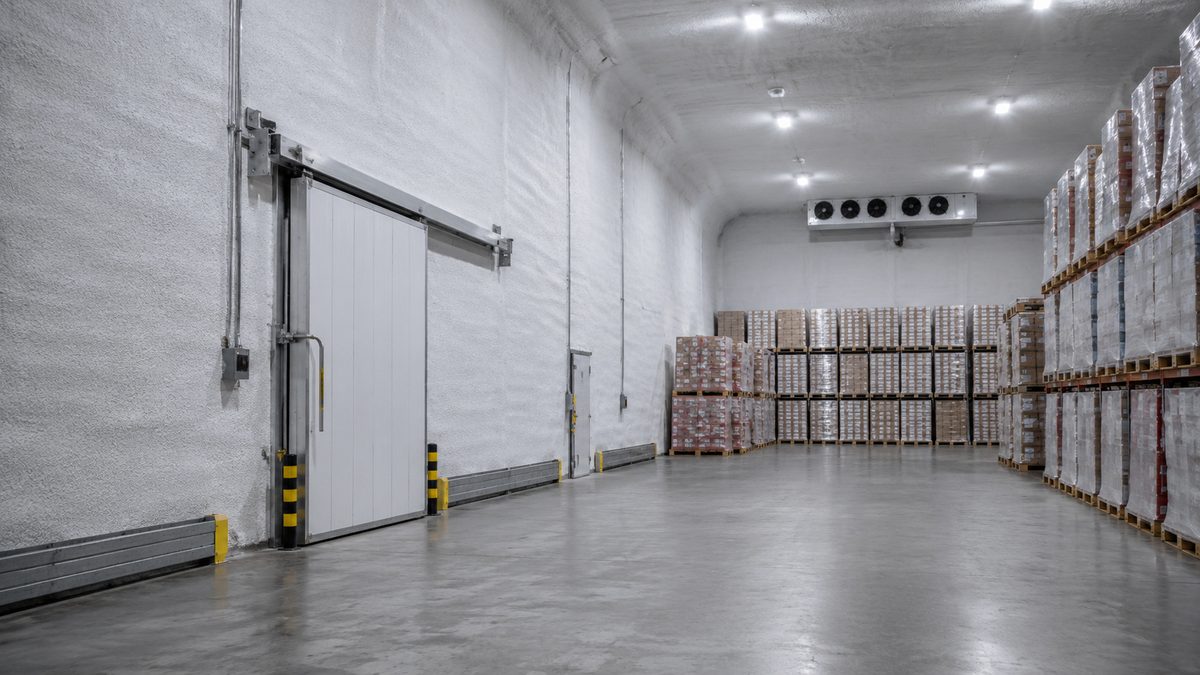
Why Closed-Cell Spray Foam Is the Standard for Cold Storage
Cold storage envelopes have demands that traditional board, batt, or panel insulation struggle to meet. Spray polyurethane foam (SPF) is applied as a liquid that expands and cures in seconds, forming a continuous insulating layer that bonds directly to the substrate. For sub-zero environments, the closed-cell variant is essential because its cells are sealed and filled with a low-conductivity blowing agent rather than air.
- High R-value per inch. Closed-cell polyurethane foam insulation delivers among the highest thermal resistance of any sprayable material, so you reach target performance with less thickness and recover usable interior space.
- Built-in vapor barrier. At the low temperatures inside a freezer, water vapor drives hard toward the cold side. Closed-cell foam at sufficient thickness resists vapor diffusion, preventing the moisture migration that destroys open-cell and fibrous insulation.
- Seamless and monolithic. Because the foam is sprayed in place, there are no panel joints or fastener penetrations to leak. This eliminates the thermal bridging that plagues bolted insulated metal panels.
- Stops condensation and ice. A continuous, air-sealed layer keeps warm humid air from reaching cold surfaces, which is the root cause of dripping ceilings, frozen floors, and mold in cold rooms.
- Structural and adhesive. Closed-cell foam adds rigidity and bonds tightly to steel, concrete, and masonry, helping reinforce older coldroom shells.
Closed-Cell vs Open-Cell for Sub-Zero Applications
Open-cell foam is lighter, cheaper, and excellent for interior sound and air sealing in conditioned spaces, but it is vapor-permeable and absorbs water. In a cold storage or freezer wall that moisture freezes, expands, and progressively degrades the insulation. For any application below roughly 10 degrees Celsius, and absolutely for freezers, closed-cell spray polyurethane foam is the correct choice. Its density and closed structure give it the moisture resistance and dimensional stability that sub-zero service requires. Guidance from the U.S. Department of Energy on spray foam insulation reinforces why this distinction matters for envelope performance.
Where Cold Storage Spray Foam Is Used
Cold Storage Warehouses
Large distribution and logistics warehouses use seamless closed-cell foam on walls, ceilings, and roof decks to hold stable temperatures across vast floor areas with minimal thermal loss.
Freezers and Blast Freezers
Sub-zero rooms and rapid-freeze tunnels demand thick, high-density closed-cell foam to block aggressive heat and vapor drive and to stop ice build-up on cold surfaces.
Cold Rooms and Walk-Ins
Smaller coldroom insulation for restaurants, supermarkets, and labs benefits from spray foam that conforms to irregular shells and seals every penetration around piping and conduit.
Food Processing Facilities
Dairy, meat, fish, and produce plants need hygienic, gap-free insulation that resists moisture and supports washdown environments without harboring contamination.
Refrigerated Structures
Reefer and container-based cold structures, modular freezer units, and retrofit projects rely on sprayed foam to upgrade aging or non-standard envelopes in place.
Controlled Logistics Hubs
Pharmaceutical and perishable cross-dock facilities use spray foam to maintain tight, validated temperature zones across docks, anterooms, and storage bays.
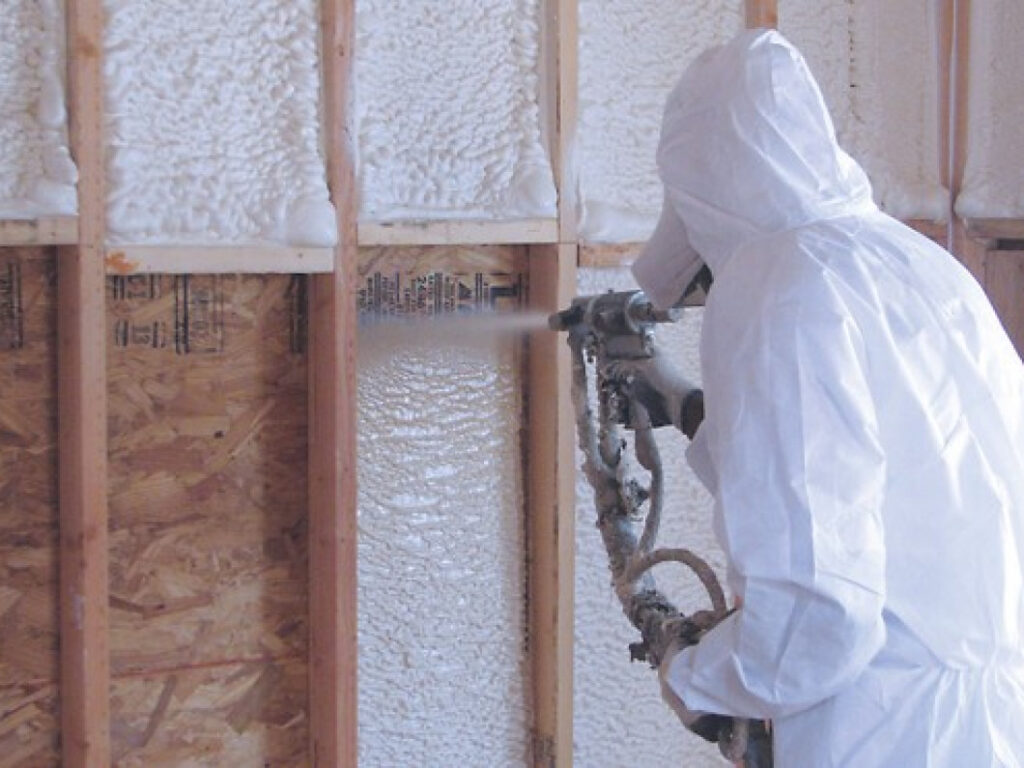
The Cold Storage Spray Foam Application Process
Spraying closed-cell foam for cold storage is a controlled, two-component chemical process. Results depend on substrate preparation, accurate machine settings, and disciplined application technique.
- 1. Substrate preparation. Surfaces must be clean, dry, and free of dust, oil, and frost. Steel, concrete, and masonry are inspected for moisture, and ambient and substrate temperatures are checked against the foam manufacturer specification.
- 2. Machine setup. The plural-component machine heats the A-side (isocyanate) and B-side (polyol resin) to the recommended temperature and pressurizes both to spec. Proportioning must stay on ratio, and hose heat must hold the chemicals at the right viscosity all the way to the gun.
- 3. Spray to target thickness and density. Foam is applied in controlled lifts, allowing each pass to rise and cure before the next. Cold storage work commonly targets a closed-cell density on the order of 40 kilograms per cubic meter, built up to the wall, ceiling, or floor thickness that the thermal design requires.
- 4. Cure and inspection. The foam cures within minutes to a hard, closed surface. Crews verify thickness, check for voids or pinholes, and confirm a continuous monolithic layer with no exposed substrate before any protective coating or finish is applied.
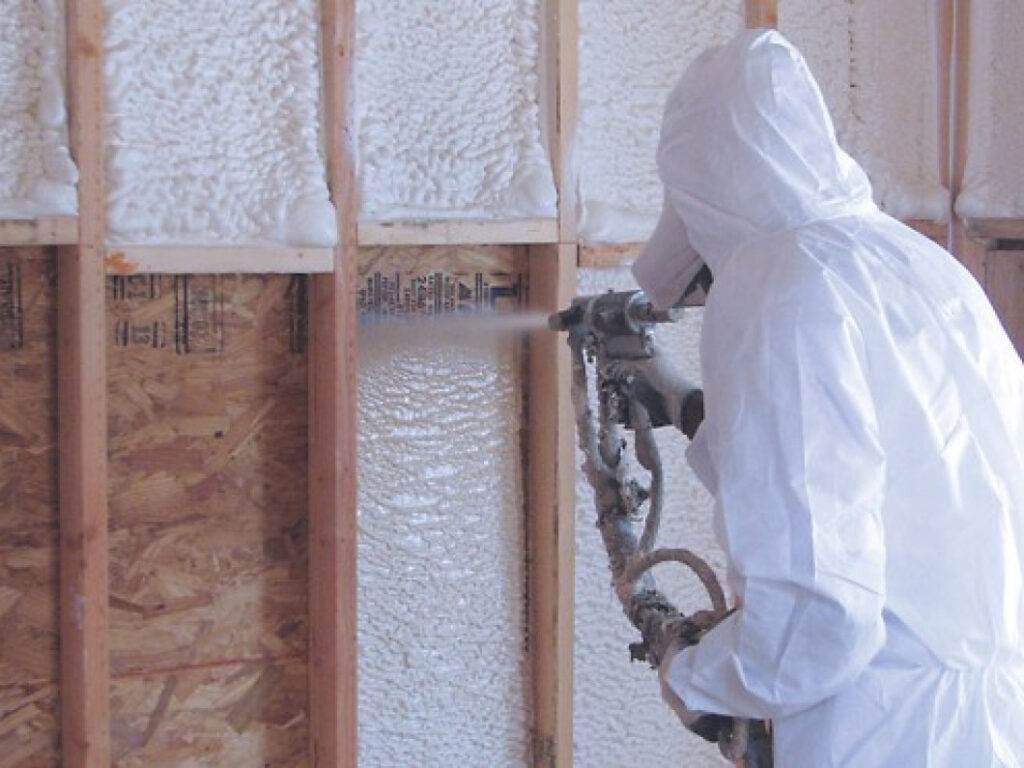
The Equipment You Need: High-Pressure Plural-Component Machines
Closed-cell cold storage foam cannot be applied with low-pressure or unheated equipment. It requires a high-pressure, heated, plural-component spray foam machine that holds precise temperature, pressure, and a consistent A-to-B ratio. If the ratio drifts or the chemical is sprayed cold, the foam comes out off-spec, with poor density, weak adhesion, and compromised insulation value, exactly what you cannot afford in a freezer.
Pioneer Spray builds JYYJ-series machines for this work, operating in the 25 to 36 MPa range needed to atomize and mix high-viscosity polyurethane reliably. For demanding cold storage and high-output coldroom projects, the hydraulic JYYJ-H600PK delivers the stable pressure, integrated heating, and proportioning control that produce uniform closed-cell foam pass after pass. Matching the machine, hose, and gun to your daily output and chemical system is the difference between a fast, clean job and constant rework.
Not sure which JYYJ model fits your cold storage workload, chemical supplier, or jobsite power supply? Contact our engineers and we will recommend a configuration based on your throughput and target foam density.
Frequently Asked Questions
Why use closed-cell instead of open-cell spray foam for cold storage?
Closed-cell polyurethane foam insulation has sealed cells that resist water vapor and moisture, deliver a higher R-value per inch, and stay dimensionally stable at sub-zero temperatures. Open-cell foam absorbs moisture and is vapor-permeable, so it fails in freezer and cold room conditions where vapor drive is constant.
What foam thickness and density are typical for a spray foam cold storage project?
Density commonly runs around 40 kilograms per cubic meter for closed-cell cold storage foam, while thickness is set by the thermal design, the target temperature, and local energy requirements. Colder rooms and freezers require thicker applications, built up in multiple controlled lifts.
Can I insulate a coldroom with a low-pressure foam kit?
No. Closed-cell cold storage foam needs a high-pressure, heated, plural-component machine to maintain correct temperature, pressure, and mixing ratio. Low-pressure kits cannot deliver consistent density or adhesion at the scale and quality a coldroom or freezer demands, which is why a machine such as the JYYJ-H600PK is used.
Does spray foam stop condensation in cold rooms?
Yes. A continuous, air-sealed layer of closed-cell foam keeps warm, humid air from contacting cold surfaces, which eliminates the condensation, dripping, and ice formation that cause spoilage and structural damage in poorly insulated cold storage.
Recommended JYYJ Machines
JYYJ-H600PK
Adjustable-ratio hydraulic spray machine with 7-inch PLC touchscreen and adjustable mixing ratio (1:1~1:2). 2-10 kg/min at 36 MPa for polyurea, high-density foam, and precision-critical applications. Recipe memory and data logging for project documentation. Adjustable ratio handles temperature-driven viscosity shifts and custom material formulations — unique in the JYYJ line.
JYYJ-H600
Entry-level hydraulic spray machine — the gateway to professional-grade pressure. 2-12 kg/min at 36 MPa with 6-18 MPa hydraulic system pressure. Compatible with both polyurethane foam and polyurea coatings. Air-cooling system protects motor and pump for sustained heavy-duty operation.
Recommended Materials
Browse Polyurethane Foam (A + B) →- ● Closed-cell rigid PU foam (40-45 kg/m³)
- ● Vapor-barrier primer
- ● Food-grade topcoat (optional)
Why This Setup Works
R-value 6.5+ per inch maintains -25°C to -40°C interior with minimal envelope thickness
Zero moisture permeance — no interstitial condensation, no insulation degradation
Seamless application around irregular geometry (piping, conduit penetrations)
Long-term energy savings 35-50% vs fiberglass/XPS alternatives
Technical Considerations
- Target density: 40-45 kg/m³ for -25°C, 45-50 kg/m³ for -40°C
- Recommended thickness: 150-200mm based on delta-T and R-value target
- Substrate temperature must be stable during application
- Fire rating: check local building code for food-grade topcoat requirement
Real Projects in Cold Storage Insulation
Representative projects. Full case library expanding with customer authorizations.
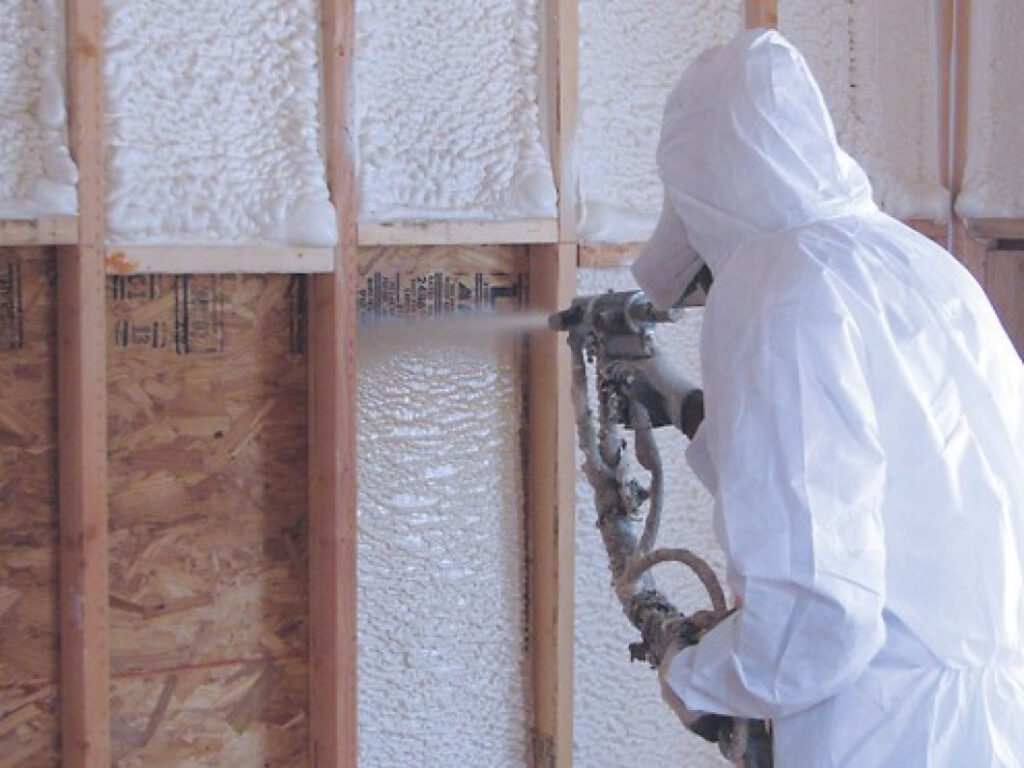
Food Processing Company · 300 m²
300m² Cold Storage Insulation · Moscow
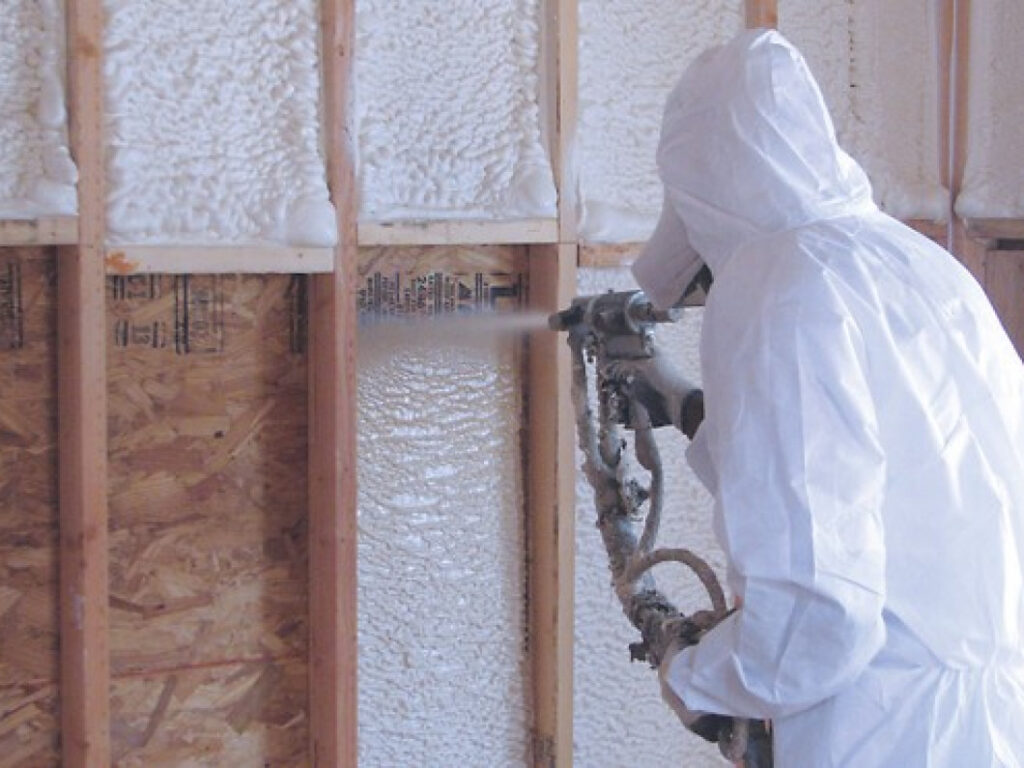
Meat processing cold storage at -25°C operational. Closed-cell PU foam at 40 kg/m³ with HFO blowing agent. Seamless closed-cell layer for a continuous, low-permeance thermal envelope.
Cold Chain Logistics Fleet · 15 truck bodies (~800 m² total)
Refrigerated Truck Body Insulation · Ho Chi Minh City
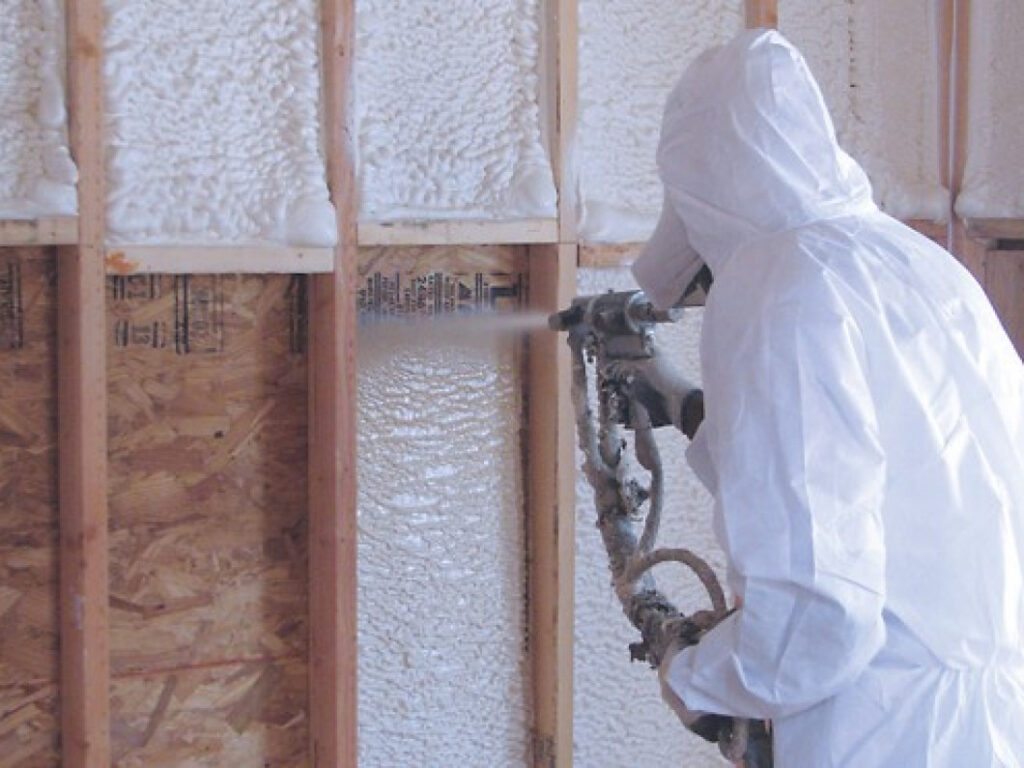
Fleet of 15 reefer truck bodies insulated with 75mm closed-cell PU foam. Seamless thermal envelope eliminated thermal bridges at ribs and door seals.
Industrial Dairy Farm · 3,200 m² (cattle housing + milk parlor)
6,000-Head Dairy Cattle Barn Insulation · Volgograd
Modern dairy farm cattle housing with 75mm closed-cell PU foam. Seamless closed-cell insulation targets stable barn conditions and reduced condensation through -30°C winters.
Customer-specific details available under NDA · Full case studies on request
See Cold Storage Insulation in Practice
YouTube demonstration videos
@YongjiaPolyurethanemachinepuFrequently Asked Questions
What JYYJ machine is best for cold storage insulation?
Do you supply the raw materials too?
How long is shipping to Russia / LATAM / Middle East?
Do you provide technical training and installation support?
What certifications does the equipment have?
Planning a cold storage insulation project?
Share your output, voltage, and project scale. Pioneer recommends a matched JYYJ machine + material combination within 24 hours.