
Polyurea Waterproofing
Fast-curing 100% solids polyurea coating for roofs, terraces, pools, and containment. Seamless waterproof membrane with extreme elongation and tear strength.
Spray polyurea has become the benchmark for high-performance spray-applied waterproofing where failure is not an option. Whether you are lining a potable water tank, sealing a bridge deck, or armoring a mining chute against abrasion, a properly applied polyurea coating delivers a seamless, monolithic barrier that outlasts and outperforms sheet membranes and conventional liquid systems. This page is built for the contractors and applicators who do this work every day - and need the right high-pressure spray equipment to do it profitably. Pioneer Spray engineers the JYYJ family of plural-component machines specifically for the demands of polyurea waterproofing in the field.
What Is Spray Polyurea Waterproofing?
Polyurea is a two-component elastomer formed by reacting an isocyanate (the A side) with an amine-terminated resin blend (the B side). Unlike polyurethane, the polyurea reaction is moisture-insensitive and extremely fast - gel times of just a few seconds and tack-free in under a minute. Sprayed at high pressure and elevated temperature, the two streams impingement-mix at the gun tip and build a fully bonded, seamless polyurea membrane in a single pass.
That chemistry is why polyurea beats the alternatives for demanding waterproofing:
- Seamless and monolithic - no laps, seams, or fasteners to fail. The number-one failure point of sheet membranes is eliminated.
- Fast set, fast return to service - foot traffic in minutes, not days. Crews stay productive and downtime is minimal.
- High elongation - quality systems deliver 300-500% elongation, bridging cracks and accommodating structural movement.
- Chemical and abrasion resistance - stands up to aggressive effluent, salts, hydrocarbons, and mechanical wear.
- Conforms to complex geometry - penetrations, corners, and irregular substrates are coated continuously without detailing weak points.
For an overview of polyurea performance characteristics and elastomeric coating standards, see the testing methods published by ASTM International.
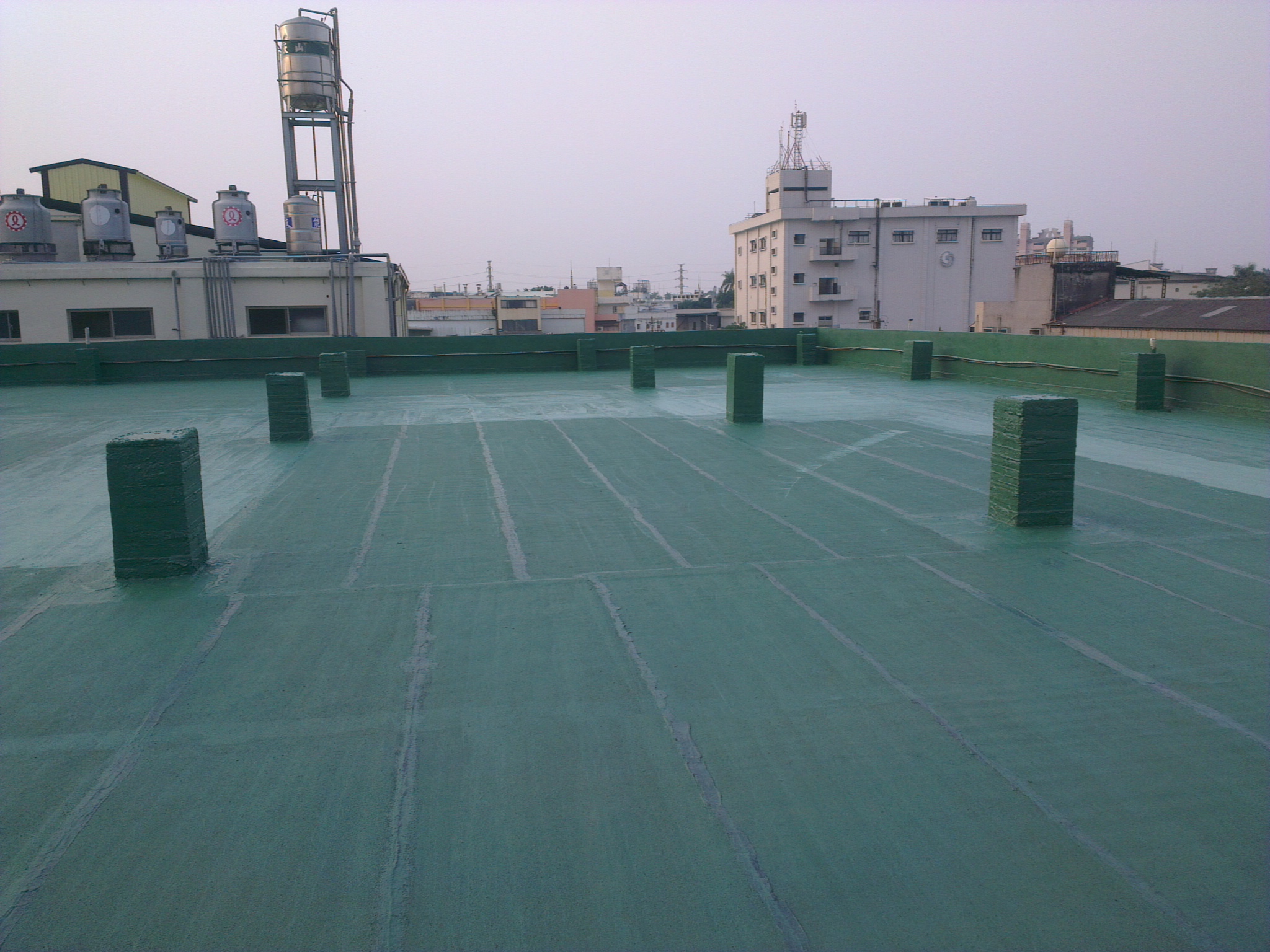
Where Polyurea Waterproofing Is Used
Because a sprayed polyurea lining bonds to concrete, steel, geotextile, and many primed substrates, it is specified across construction, infrastructure, and heavy industry. The most common applications include:
Roofing & Decks
Flat and low-slope roofs, plaza decks, balconies, and parking structures get a seamless, UV-stable (top-coated) waterproof skin that resists ponding water and thermal cycling.
Foundations & Below-Grade
Foundation walls, basements, and tunnels get a positive-side or blind-side polyurea membrane for foundation waterproofing and basement waterproofing that resists hydrostatic pressure and aggressive soils.
Water & Wastewater Tanks
Potable water reservoirs, clarifiers, digesters, and effluent tanks are lined with a continuous, chemically resistant polyurea coating that protects concrete from corrosion.
Secondary Containment
Chemical bund walls, tank farms, and spill berms are sealed to meet containment regulations, with fast cure minimizing facility shutdown time.
Bridge & Parking Decks
Spray-applied waterproofing protects rebar from chloride-laden runoff and de-icing salts, extending the service life of concrete decks.
Pipe & Pipeline Coating
Oil, gas, and water pipelines get seamless internal and external pipeline coating that resists corrosion and abrasion without the lap seams of tape-wrap or sleeve liners.
Mining Wear Lining
Chutes, hoppers, screens, and slurry equipment are armored with abrasion-resistant polyurea to fight impact and sliding wear (detailed below).
Polyurea for Mining Equipment & Wear Lining
One of the fastest-growing uses of spray polyurea is mining equipment protection and wear lining. In bulk-materials handling, steel chutes, transfer points, screen decks, hoppers, cyclones, and slurry pipework take relentless impact and sliding abrasion from ore, aggregate, and tailings. Replacing or re-welding ceramic and rubber wear plates is labor-intensive and means costly downtime.
A sprayed polyurea wear lining offers a different approach. The same high-elongation, high-tensile chemistry that waterproofs a tank also dissipates impact energy and resists gouging abrasion - without seams or fasteners that ore can pry loose. Because polyurea is applied in place and gels in seconds, equipment can be relined on site and returned to production quickly. Key advantages for mining operators:
- Impact and abrasion absorption - the elastomeric matrix flexes under impact rather than cracking like rigid liners.
- Noise reduction - sprayed lining on chutes and bins dampens the ring of falling material.
- Conformal coverage - complex curved surfaces, weld seams, and tight transitions are coated continuously with no gaps for material to undercut.
- Fast turnaround - rapid gel means shorter equipment outages compared with bonded plate systems.
- Corrosion protection - the same membrane that resists wear also seals the steel against moisture and corrosive slurry.
Mining-grade wear linings are typically built to higher film thickness than waterproofing, which makes consistent high-output, high-pressure spray equipment essential to lay down uniform mils without cold joints.
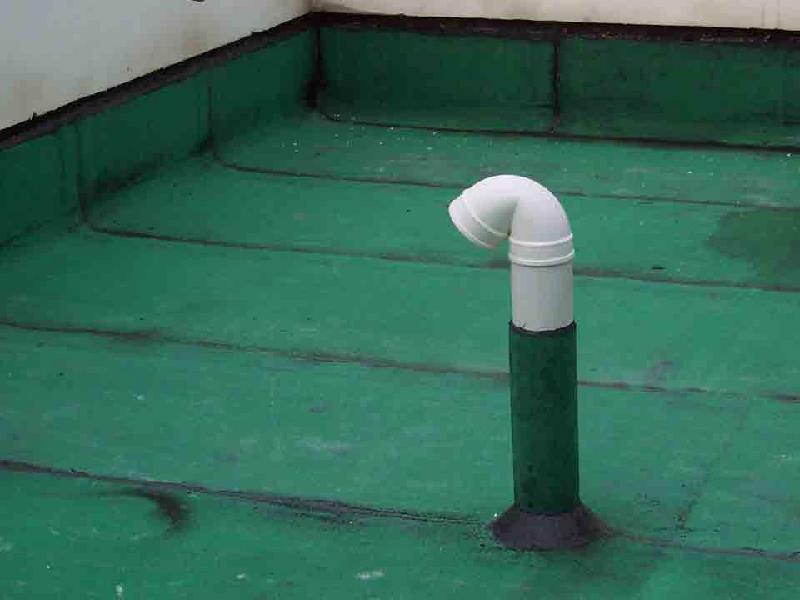
The Polyurea Application Process
Spray polyurea is unforgiving of shortcuts. A durable membrane depends on disciplined process control at every step:
- Surface preparation - abrasive blasting or grinding to the required profile, removing laitance, oils, and contaminants. Concrete must be sound and within moisture limits; steel must be cleaned to the specified standard.
- Priming - a primer suited to the substrate promotes adhesion and seals porous concrete to prevent outgassing and pinholing.
- High-pressure plural-component spray - the A and B components are metered 1:1, heated, and delivered through heated hoses to the spray gun, where they impingement-mix and atomize. Pressure and temperature must stay within the manufacturer's window for proper mixing and cure.
- Fast gel and build - the membrane gels in seconds, allowing vertical and overhead surfaces to be coated without sagging and full thickness to be built in a single mobilization.
- Top-coating and QC - an aliphatic UV-stable topcoat is applied where sun exposure demands it, followed by holiday detection, dry-film thickness checks, and adhesion testing.
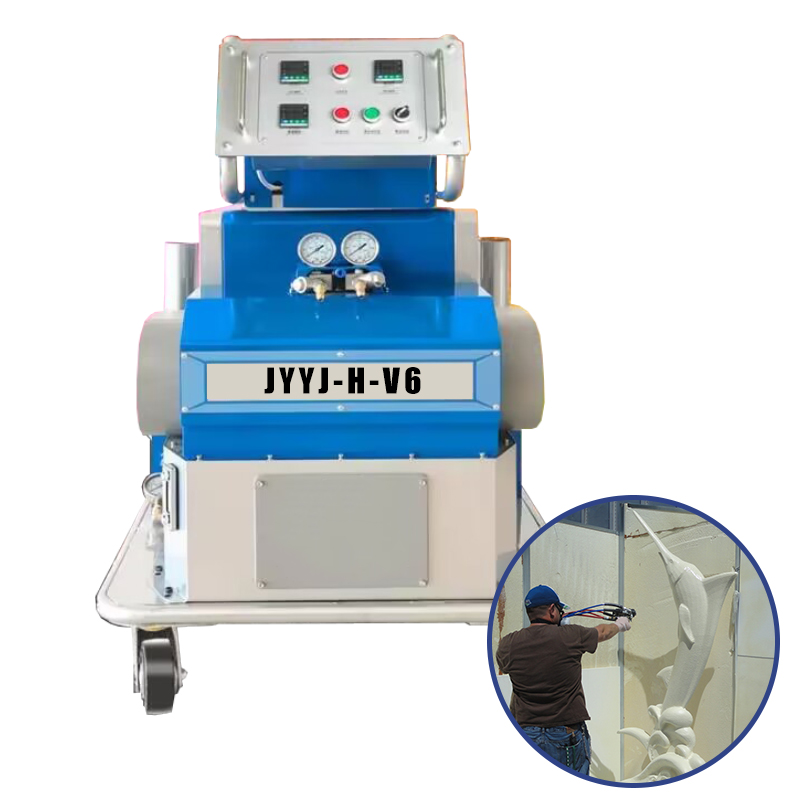
The Equipment You Need: High-Pressure Plural-Component Machines
Pure polyurea cannot be applied with low-pressure or hand-mix equipment. The fast reaction demands a high-pressure, heated, plural-component machine that meters the A and B sides precisely, heats both components, maintains hose temperature, and develops enough pressure for proper impingement mixing at the gun. Underpowered equipment causes off-ratio spray, poor mixing, brittle film, and failed adhesion.
Pioneer Spray builds the JYYJ series for exactly this duty. The flagship JYYJ-H-V8T operates at up to 36 MPa, with integrated A/B heating and heated-hose control, delivering the consistent pressure and temperature that polyurea waterproofing and mining wear lining require. Higher pressure means finer atomization, better mixing, and a denser, more uniform membrane - which is what separates a coating that lasts decades from one that fails early. Browse the full range of Pioneer high-pressure spray machines, materials, and accessories to match the right system to your project size and output requirements.
Frequently Asked Questions
How is polyurea waterproofing different from a liquid-applied or sheet membrane?
Sheet membranes rely on laps and seams that become failure points, and liquid-applied urethanes cure slowly and are sensitive to moisture. Spray polyurea is seamless, gels in seconds regardless of humidity, and offers far higher elongation and chemical resistance - making it the preferred choice for critical, high-movement, or aggressive-exposure waterproofing.
What pressure and temperature does polyurea need?
Most pure polyurea systems are sprayed at roughly 14-24 MPa or higher, with both components heated to around 60-70 degrees C and heated hoses to maintain that temperature to the gun. Machines such as the JYYJ-H-V8T provide headroom up to 36 MPa, ensuring proper impingement mixing even at high output and longer hose runs.
Can polyurea be applied to concrete and steel?
Yes. With correct surface preparation and a substrate-appropriate primer, polyurea bonds strongly to concrete, steel, geotextiles, and many other prepared surfaces. Proper profile, cleanliness, and moisture control are essential for long-term adhesion.
Is polyurea suitable for mining wear lining as well as waterproofing?
Absolutely. The same high-pressure plural-component equipment that sprays a waterproofing membrane also applies thicker, abrasion-resistant wear linings on chutes, hoppers, and slurry equipment. Mining linings are typically built to greater film thickness, which makes a high-output, consistent machine like the JYYJ series even more important.
Recommended JYYJ Machines
JYYJ-H-V8T
Pioneer's top-tier flagship — the highest-output PLC-controlled spray machine in the JYYJ line. 2-15 kg/min at 36 MPa with 10-inch PLC touchscreen, one-click start/stop operation, and low-temperature protection that prevents incomplete mixing in cold conditions. Flat-mounted booster pump design reduces footprint while maintaining the highest output. Ideal for the most demanding industrial polyurea and polyurethane projects.
JYYJ-H600PK
Adjustable-ratio hydraulic spray machine with 7-inch PLC touchscreen and adjustable mixing ratio (1:1~1:2). 2-10 kg/min at 36 MPa for polyurea, high-density foam, and precision-critical applications. Recipe memory and data logging for project documentation. Adjustable ratio handles temperature-driven viscosity shifts and custom material formulations — unique in the JYYJ line.
Recommended Materials
Browse Polyurea Coating (A + B) →- ● Pure polyurea (100% solids)
- ● Hybrid polyurea (faster wet-out)
- ● Primer systems for concrete/steel
Why This Setup Works
Cures in 5-30 seconds — same-day service on active infrastructure
Seamless membrane with >400% elongation — bridges substrate cracks
Chemical and abrasion resistant for industrial containment
Works at temperatures from -40°C to +150°C service range
Technical Considerations
- Substrate preparation is critical — surface profile CSP 3-5 via abrasive blast
- Primer selection depends on substrate (concrete / steel / EPDM)
- Ambient temperature: >10°C during application, RH <85%
- Spray gun mixing chamber must match material viscosity
Real Projects in Polyurea Waterproofing
Representative projects. Full case library expanding with customer authorizations.
Industrial Equipment Operator · 1,800 m² (floor + walls)
Industrial Basement Waterproofing · Minsk
Underground equipment vault required chemical-resistant waterproofing. Pure polyurea cured in 30 seconds, returning facility to service same-day.
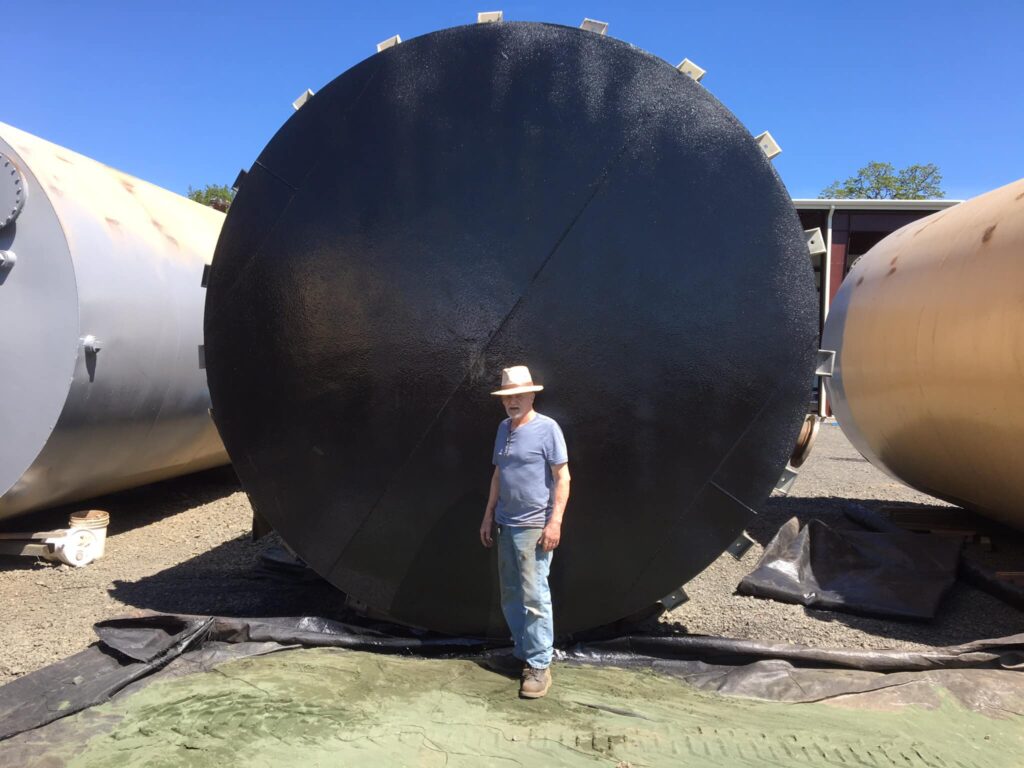
Petroleum Storage Operator · 40m × 12m (~1,400 m²)
Petroleum Storage Tank Lining · Abu Dhabi
40m diameter petroleum tank interior lining. Polyurea with NSF-compliant formulation. Return to service in 18 hours.
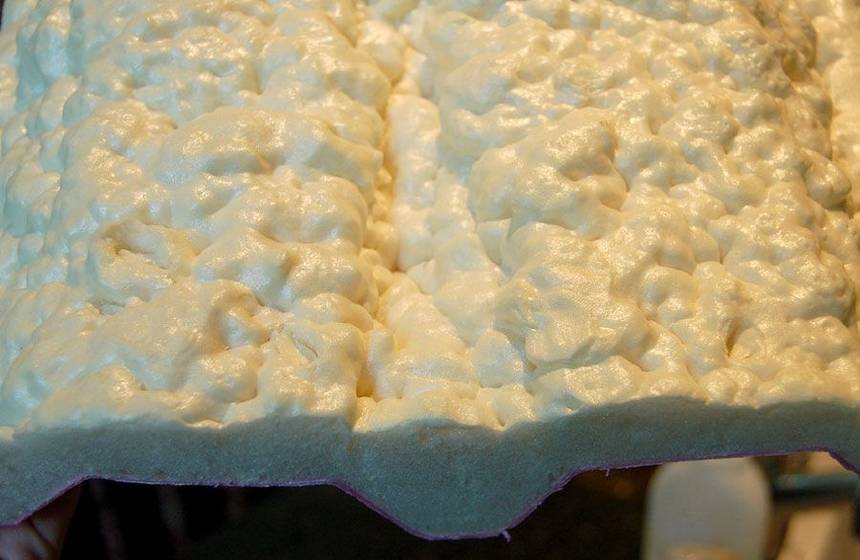
Industrial Manufacturing Facility · 6,000 m²
Industrial Facility Flooring Coating · Riyadh
Manufacturing facility 6,000m² floor with polyurea topcoat. Abrasion + chemical resistant high-gloss finish. Production downtime limited to weekend.
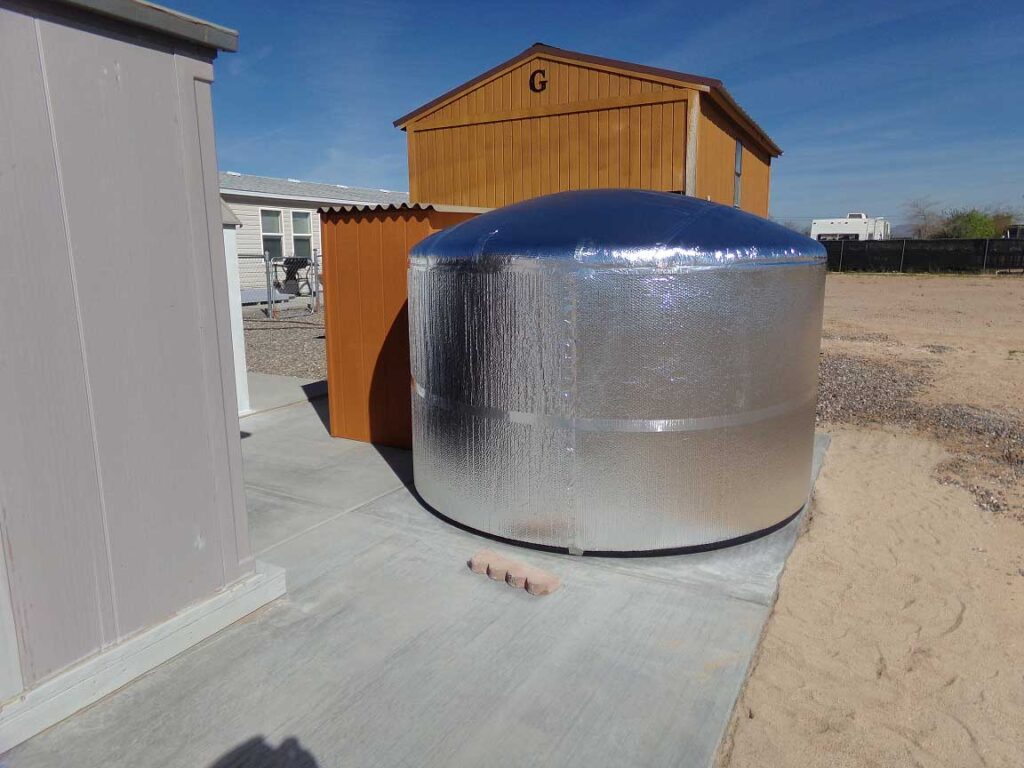
Industrial Aquaculture Operator · 24 ponds × 800 m² (~19,200 m²)
Industrial Shrimp Aquaculture Pond Lining · Mekong Delta
Vannamei shrimp farming · 24 production ponds (~19,200m²) lined with food-grade pure polyurea. Eliminated water seepage, prevented soil contamination, increased survival rate from 60% to 85%+.
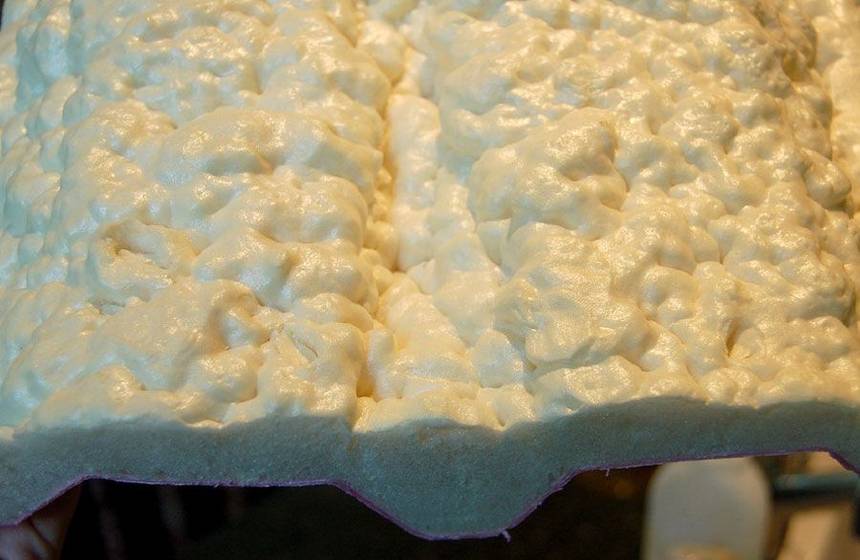
Commercial Agricultural Fleet Operator · 80 vehicles · ~480 m² total bed area
80-Truck Pickup Bed Liner Polyurea Coating · Monterrey
Commercial agricultural fleet of 80 pickup trucks coated with 4mm polyurea bed liners. Eliminated cargo damage from impact, fertilizer chemicals, salt corrosion. Per-truck application <2 hours, 5+ year service life.
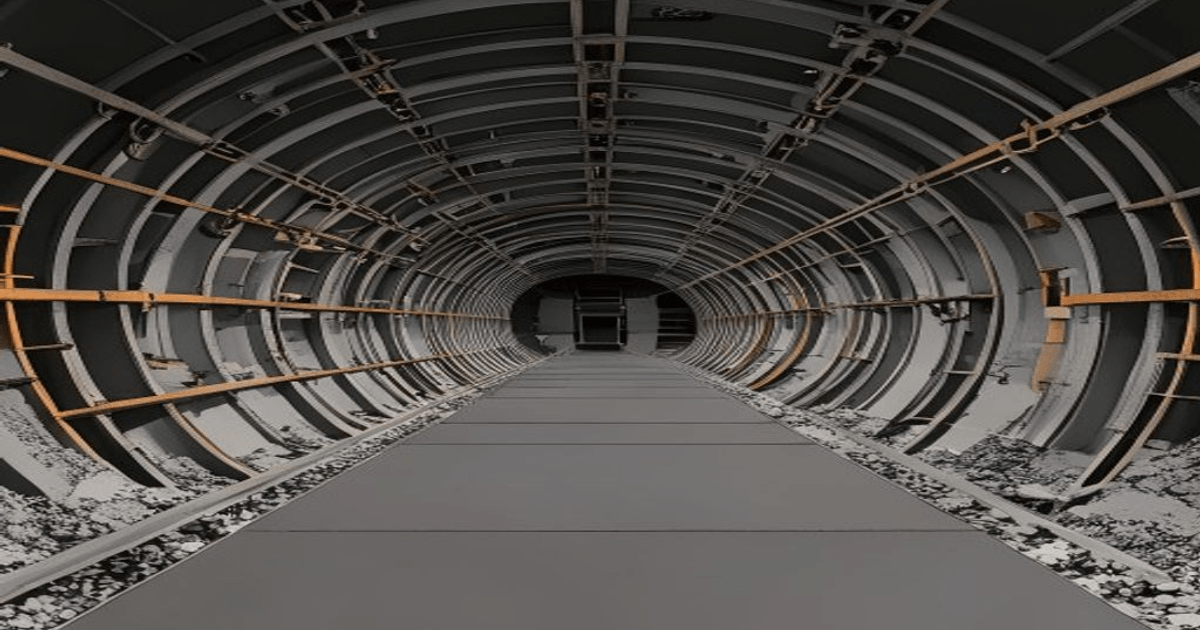
Copper Mining & Concentrator Operation · 14 transfer chutes + 6 hoppers · ~360 m²
Copper Mine Transfer Chute Polyurea Wear Lining · Antofagasta
Copper concentrator transfer chutes and hoppers re-lined with 6mm spray polyurea to resist abrasion from coarse ore. Replaced bolt-on AR steel plate, cut changeout downtime, and extended wear-liner life 3x in a high-impact materials-handling circuit.
Customer-specific details available under NDA · Full case studies on request
See Polyurea Waterproofing in Practice
YouTube demonstration videos
@YongjiaPolyurethanemachinepuFrequently Asked Questions
What JYYJ machine is best for polyurea waterproofing?
Do you supply the raw materials too?
How long is shipping to Russia / LATAM / Middle East?
Do you provide technical training and installation support?
What certifications does the equipment have?
Planning a polyurea waterproofing project?
Share your output, voltage, and project scale. Pioneer recommends a matched JYYJ machine + material combination within 24 hours.