
6,000-Head Dairy Cattle Barn Insulation · Volgograd
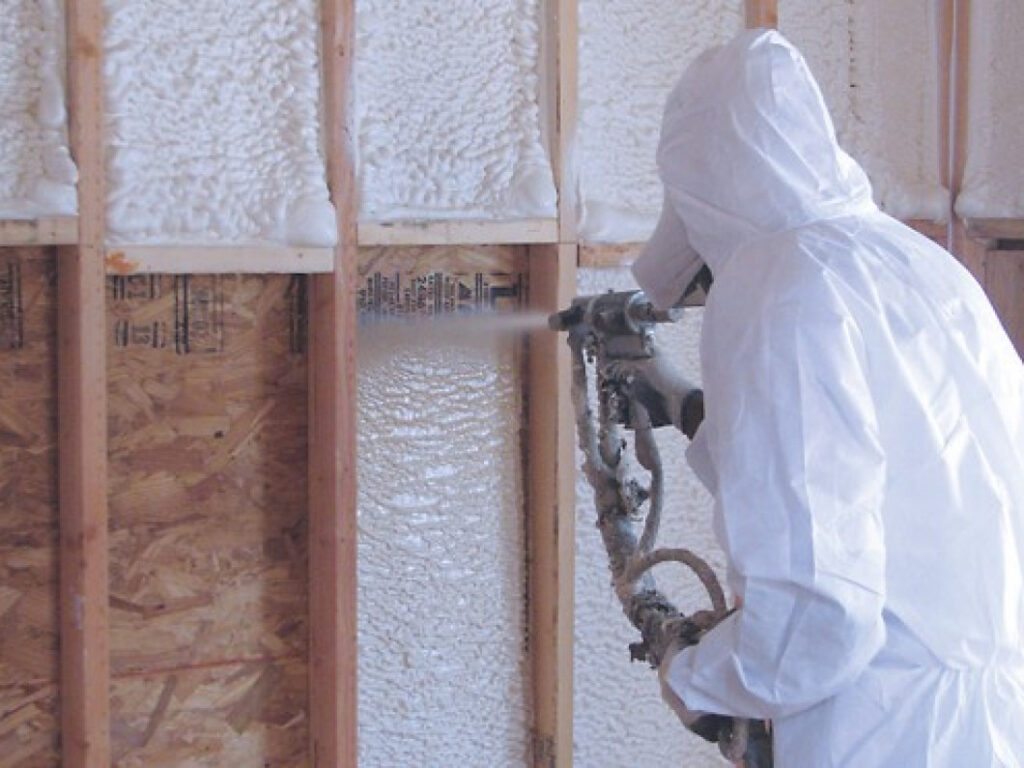
Modern dairy farm cattle housing with 75mm closed-cell PU foam. Seamless closed-cell insulation targets stable barn conditions and reduced condensation through -30°C winters.
Customer Type
Industrial Dairy Farm
Industry
Livestock · Dairy Farming
Project Scale
3,200 m² (cattle housing + milk parlor)
Duration
8 days
The Challenge
Modern dairy operation with 6,000 dairy cattle faced 18-22% feed consumption increase during -30°C winters as cows burned energy on thermoregulation. Existing fiberglass developed condensation, mold, and respiratory issues affecting cattle health.
Our Solution
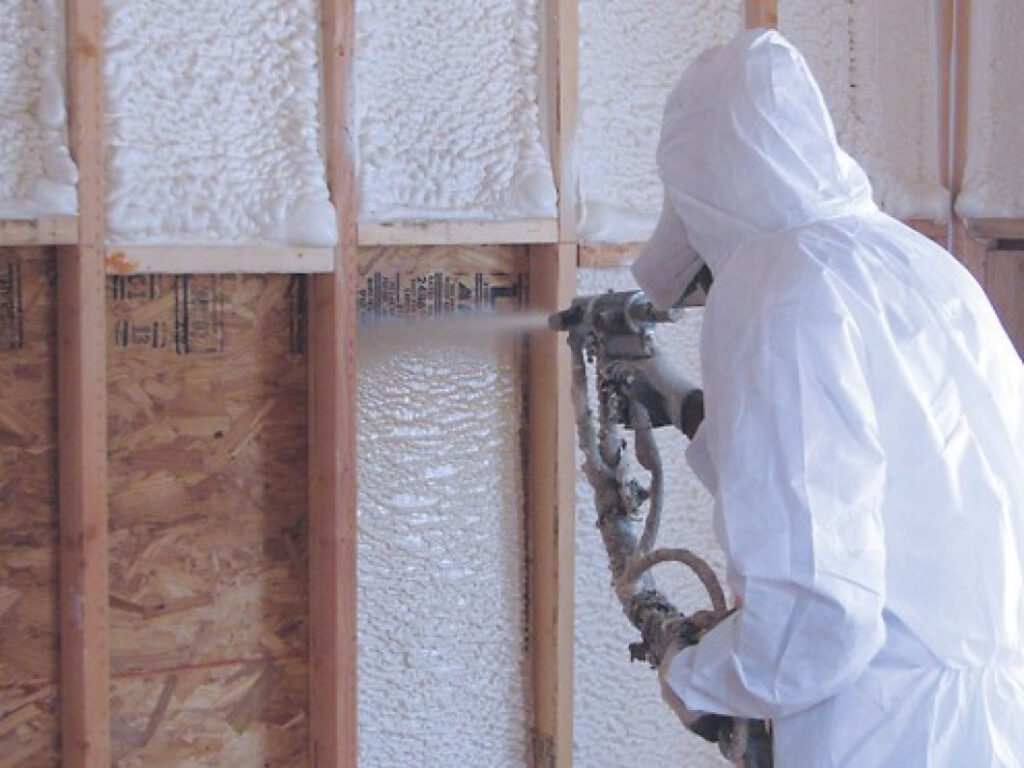
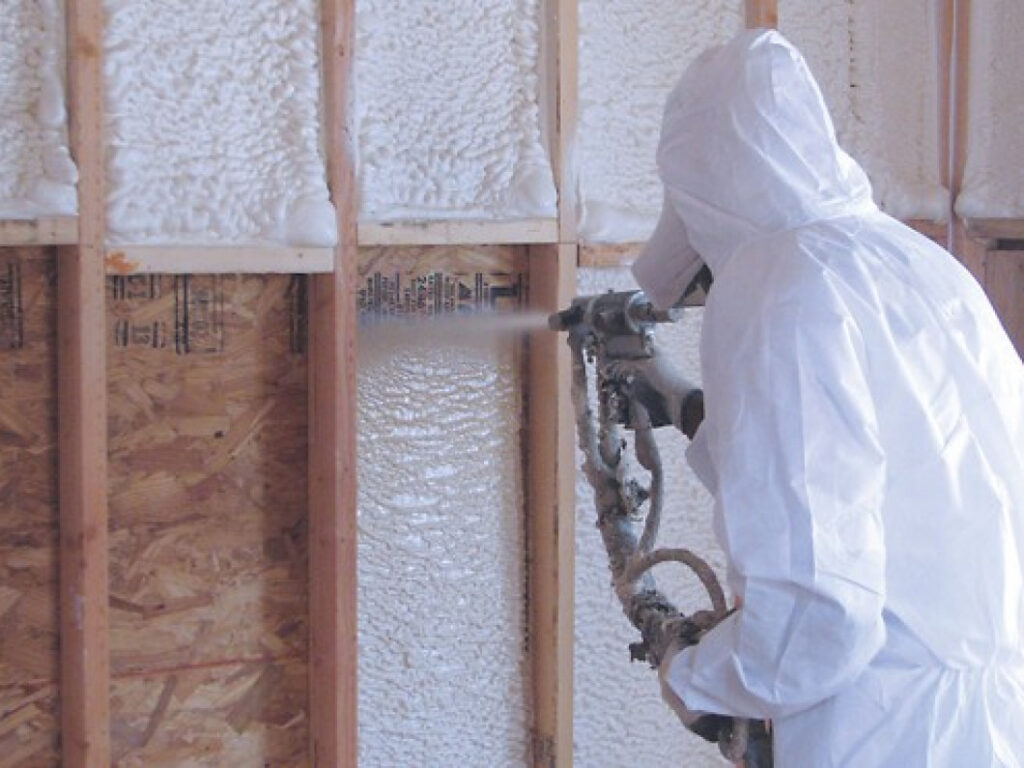
Applied 75mm seamless closed-cell PU foam at 38 kg/m³ across 3,200m² of cattle housing roof and walls using JYYJ-H600 at 36 MPa. Pioneer All-Water A-component (zero-VOC) eliminated chemistry concerns for animal welfare. Self-flashing around 60+ ventilation penetrations preserved air-quality system integrity.
What Pioneer Delivered
Not just a machine — a matched system, a trained crew on site, and after-sales backing end to end.
- An on-site survey of roof, walls and the 60+ vent penetrations before quoting — so the spec sealed the real condensation and thermal-bridge paths, not a generic thickness.
- A single-source system — JYYJ-H600 machine and animal-safe All-Water foam matched, tuned and warranted together, not a sprayer from one supplier fighting foam from another.
- A crew trained for self-flashing around dozens of vent penetrations and roof-and-wall spraying in an occupied farm setting — the skill that keeps the vapor barrier seamless is the operator, and we own it.
- Depth-gauge QA and a phased schedule built around the herd's housing — sections were sprayed, cured zero-VOC and re-ventilated so the cattle came back to a dry, mold-free barn fast.
- Ongoing remote support for ratio and temperature tuning, plus re-order of the exact matched material — so the next barn or an expansion building is a phone call, not a new project.
Execution Process
-
1 · Substrate Prep & Drying
Old fiberglass, mold and condensation residue are stripped from roof and wall surfaces across the 3,200 m² of cattle housing and milk parlor, then the substrate is dried so the closed-cell foam bonds and seals out moisture.
-
2 · Vent Masking & Setup
Over 60 ventilation penetrations, fans and lighting are masked to preserve the air-quality system, then the JYYJ-H600 hydraulic unit is brought to temperature with the All-Water A-component loaded for zero-VOC animal-safe spraying.
-
3 · Closed-Cell Foam Spray
75 mm of seamless closed-cell PU foam at 38 kg/m³ is sprayed across roof and walls with the JYYJ-H600 at 36 MPa, self-flashing around every vent penetration so no thermal bridge or condensation path survives.
-
4 · Cure & Herd Return
The zero-VOC foam is tack-free within minutes and fully cured within hours, with thickness verified by depth gauge. The barn is ventilated and returned to the herd, giving a seamless vapor barrier that ends mold and respiratory issues.
Key Technical Highlights
Insulation Layer
75 mm closed-cell PU
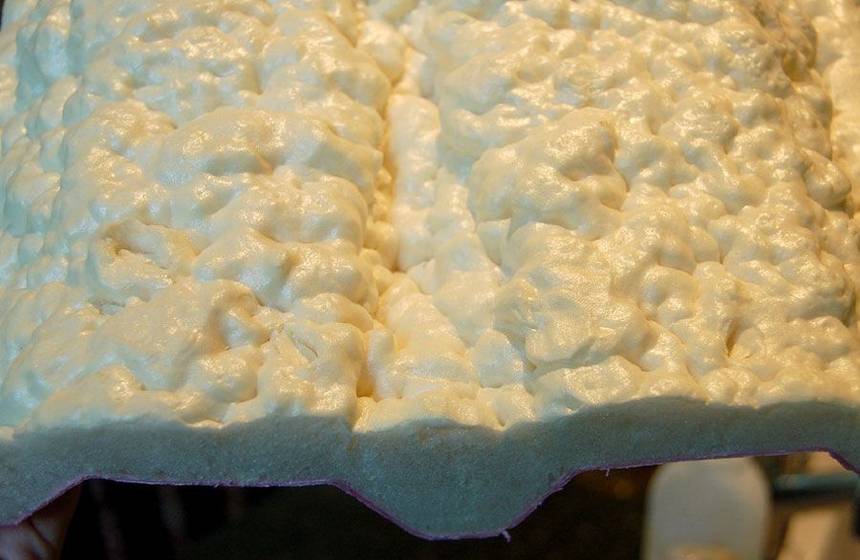
Seamless 38 kg/m³ closed-cell foam acting as roof-and-wall vapor barrier.
Spray Unit
JYYJ-H600 @ 36 MPa
Hydraulic plural-component rig self-flashing 60+ vent penetrations.
Chemistry
All-Water zero-VOC
Animal-safe A-component removes any chemistry concern for livestock health.
Coverage
3,200 m² · 8 days
Cattle housing roof and walls plus milk parlor completed in one campaign.
Feed Saving
-12% winter feed
Lower thermoregulation cost across -30°C winters keeps the herd warm.
Payback
< 14 months
Feed and milk-stability gains repay the insulation inside a year-plus.
Reference Design Targets
Design and specification targets for this application — not measured results from a specific customer project.
-12%
Winter feed consumption
reduced thermoregulation cost
<3%
Milk yield variance
stable across seasonal extremes
Eliminated
Respiratory health issues
closed-cell vapor barrier · no mold
<14 months
Energy savings ROI
on insulation investment
Applications
Spray Foam Insulation
High-performance thermal insulation for walls, roofs, attics, and industrial buildings. Seamless, air-tight, energy-efficient.
Cold Storage Insulation
High-density closed-cell PU foam for walk-in freezers, cold chain warehouses, and food processing facilities operating at -25°C to -40°C.
Why This Model Is Commonly Selected
The JYYJ-H600 is commonly selected for professional polyurethane foam and polyurea work: a 36 MPa hydraulic drive with stable 1:1 proportioning and 2–12 kg/min output for continuous commercial spraying. Depending on material and configuration it can be considered for insulation, roofing, cold storage and waterproofing.
Frequently Asked Questions
Pneumatic or hydraulic for professional work?
Can the H600 spray both PU foam and polyurea?
Recommended Configuration
- Main proportioning unit
- Fusion-compatible spray gun
- Two transfer pumps
- 15 m heated hose (7 m on D casting models)
- Tool kit
- IPPC export wooden case
Spray Foam Material Estimator
Estimate polyurethane foam material for your project. Enter area, thickness, density and waste allowance.
Estimated values only. Actual consumption varies with substrate condition, operator technique, overspray and material performance. Assumes ~1:1 A/B and ~8 kg/min output.
Planning a similar project?
Share your output, voltage, and project scale. Pioneer recommends a matched JYYJ machine + material combination within 24 hours.
Reference Configuration: This page shows a reference machine configuration for a typical application, based on Pioneer's equipment specifications — not verified performance data from a specific customer project. Figures are design targets or typical values, not measured results. Verified delivery records (real machine + destination country + shipment photos) and documented customer projects are available on request.