
Polyurea Bed Liner
Seamless spray polyurea truck bed liner for pickup beds, fleet vehicles, trailers and equipment — permanent, anti-slip, abrasion- and corrosion-resistant.
Polyurea Bed Liner: Spray Equipment for Permanent Truck Bed Protection
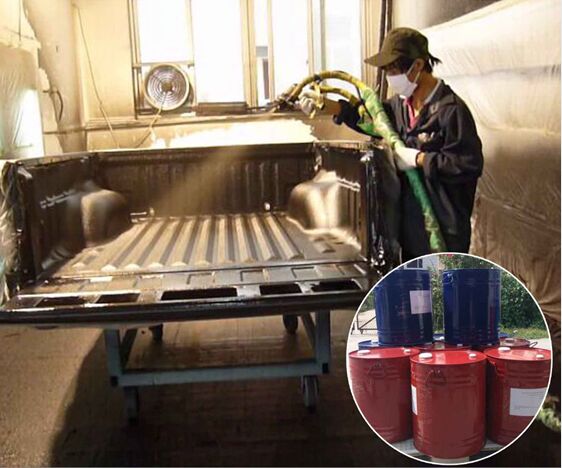
A spray polyurea bed liner is a seamless, monolithic protective coating sprayed directly onto a truck bed, trailer floor or equipment surface. Unlike drop-in plastic liners or DIY roll-on kits, a polyurea truck bed liner bonds permanently to the substrate, conforms to every contour, and cures in seconds. For body shops, fleet operators and spray-liner businesses, the difference between an average finish and a professional, money-making operation comes down to one thing: the right high-pressure heated plural-component spray equipment. Pioneer Spray manufactures the JYYJ-series machines that make a fast, repeatable polyurea bed liner business possible.
What Is a Spray Polyurea Bed Liner?
Polyurea is a two-component elastomer — an isocyanate (A-side) and an amine-terminated resin blend (B-side) — that reacts almost instantly when the two streams collide inside a heated spray gun. The result is a tough, rubber-like membrane applied as a continuous spray bed liner with no seams, joints or fasteners. Because it is sprayed on, the coating wraps tightly around bolt heads, ribs, drain channels and tailgate edges, sealing the entire surface in a single pass build-up.
Typical applied thickness for a truck bed liner ranges from roughly 2 to 4 mm (80–160 mils), tuned for the level of abuse the surface will see. The film gels in seconds and is usually walk-on and return-to-service ready the same day. This combination of speed, durability and adhesion is exactly why polyurea has become the standard for protective linings in demanding environments, as documented by industry bodies such as the Polyurea Development Association (PDA).
Why Spray Polyurea Beats Drop-In and Roll-On Liners
Seamless and Permanent
A spray bed liner chemically bonds to a properly prepared surface. There are no edges to lift, no fasteners to loosen, and no liner to remove and re-fit during cleaning.
No Trapped Water or Rust
Drop-in plastic liners trap dirt and moisture against the bed, accelerating corrosion. A sprayed polyurea truck bed liner seals the steel completely, eliminating the hidden rust path.
Impact and Abrasion Resistance
Polyurea absorbs impact and resists gouging, dragging and dropped loads far better than thin roll-on kits, protecting the bed under daily heavy-duty use.
Built-In Anti-Slip
Aggregate can be broadcast into the wet coating or the spray texture tuned to deliver a non-slip surface that keeps cargo and operators from sliding.
Chemical and UV Tolerance
The cured membrane resists fuels, oils, salts and many solvents. Aliphatic topcoats add UV color stability for vehicles that live outdoors.
Professional Appearance
A uniform, factory-grade texture upgrades resale value and brand image far beyond a patchy DIY roll-on finish.
Where Polyurea Bed Liners Are Used
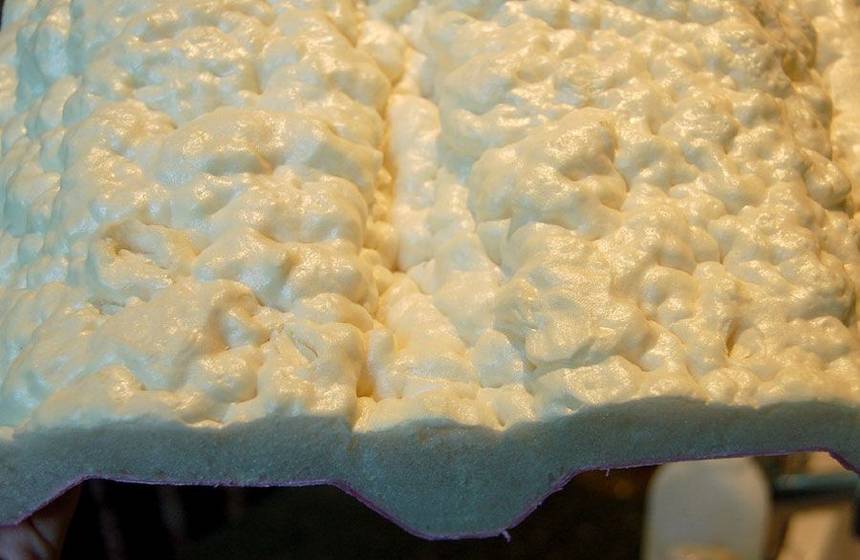
The same equipment and process that coats a pickup bed scales across an entire fleet and beyond. Common applications include:
- Pickup truck beds — the core retail and consumer market for a spray bed liner.
- Commercial fleet trucks — delivery, utility and service vehicles that need uniform, durable protection across many units.
- Flatbeds and trailers — high-wear cargo decks, ramps and gates that take constant loading abuse.
- Vans and cargo floors — interior load floors and wheel arches that benefit from a sealed, washable surface.
- Equipment and machinery surfaces — buckets, hoppers, tanks and frames exposed to abrasion and chemicals.
- Marine and industrial — boat decks, secondary containment, walkways and structural steel where corrosion protection is critical.
The Spray Bed Liner Application Process
A repeatable, professional result depends on disciplined prep and properly conditioned equipment. The standard workflow is:
- Masking — protect glass, trim, rails and tailgate gaps with tape and film to create clean liner edges.
- Surface prep and abrasion — degrease, then mechanically abrade (grind or sand) the substrate. Surface preparation is the single biggest factor in long-term adhesion; standards such as those published by ASTM International guide cleanliness and profile expectations.
- Primer — apply the recommended primer to bare steel or aluminum to maximize bond strength and corrosion resistance.
- High-pressure heated plural-component spray — the A and B components are heated, pressurized and impingement-mixed at the gun, then sprayed to the target film build in a single session.
- Fast gel and cure — the coating gels in seconds and skins quickly, so passes can be built up rapidly without sagging.
- Same-day return to service — most vehicles can be unmasked and put back to work the same day, a key advantage for busy shops and fleets.
The Equipment You Need: Pioneer JYYJ Machines
Polyurea reacts in seconds, so it cannot be applied with low-pressure or unheated sprayers. It requires a high-pressure heated plural-component machine that meters the A and B sides in a precise 1:1 ratio, heats both components, and delivers them at high pressure to an impingement-mix gun. Pioneer Spray builds purpose-engineered JYYJ machines for exactly this work.
JYYJ-H600PK — the bed liner workhorse
For dedicated truck bed liner and general polyurea work, a hydraulic-drive machine is the common choice for its smooth, consistent pressure and durability under continuous duty. The JYYJ-H600PK is a hydraulic high-pressure unit well suited to body shops and spray-liner businesses coating beds, trailers and equipment day in and day out.
JYYJ-H-V8T — higher output for fleets and large surfaces
When throughput is the priority — large flatbeds, marine decks, industrial containment or high-volume fleet programs — the JYYJ-H-V8T delivers higher output to keep crews productive and cycle times short on bigger jobs.
The Business Case: Throughput and Cycle Time
Because polyurea returns to service the same day, a polyurea spray truck operation can move units through quickly. With efficient masking and prep, a typical per-truck cycle runs around two hours, meaning a single rig and operator can coat multiple beds per shift. For fleet operators, an entire fleet can be coated in a compressed timeframe rather than losing vehicles for days. That fast cycle time is what turns a spray bed liner from a one-off service into a scalable, high-margin business — and the right Pioneer JYYJ machine is the asset that makes those numbers work.
Frequently Asked Questions
How long does a polyurea bed liner last?
When the surface is properly prepped, primed and sprayed at the correct thickness, a polyurea truck bed liner is designed to last the working life of the vehicle, resisting abrasion, impact and corrosion far longer than drop-in or roll-on alternatives.
Can I apply a spray bed liner without specialized equipment?
No. Polyurea gels in seconds and must be heated and sprayed at high pressure through a plural-component machine and impingement-mix gun. Roll-on kits are a different, lower-performance product and cannot reproduce a true sprayed polyurea liner.
Which Pioneer machine should I start with for bed liners?
Most bed liner and trailer shops start with the hydraulic JYYJ-H600PK for its reliability and steady pressure, then add the higher-output JYYJ-H-V8T as volume and large-surface work grow.
How fast can I return a truck to service?
In most cases the same day. The coating gels in seconds and cures quickly, so a typical per-truck cycle of around two hours lets you unmask and hand the vehicle back within the same shift.
New to the material? Read our guide to what polyurea lining is, where it is used and the equipment it needs.
Recommended JYYJ Machines
JYYJ-H600PK
Adjustable-ratio hydraulic spray machine with 7-inch PLC touchscreen and adjustable mixing ratio (1:1~1:2). 2-10 kg/min at 36 MPa for polyurea, high-density foam, and precision-critical applications. Recipe memory and data logging for project documentation. Adjustable ratio handles temperature-driven viscosity shifts and custom material formulations — unique in the JYYJ line.
JYYJ-H-V8T
Pioneer's top-tier flagship — the highest-output PLC-controlled spray machine in the JYYJ line. 2-15 kg/min at 36 MPa with 10-inch PLC touchscreen, one-click start/stop operation, and low-temperature protection that prevents incomplete mixing in cold conditions. Flat-mounted booster pump design reduces footprint while maintaining the highest output. Ideal for the most demanding industrial polyurea and polyurethane projects.
Recommended Materials
Browse Polyurea Coating (A + B) →- ● Pure polyurea (aromatic bed-liner grade)
- ● Aliphatic UV-stable topcoat
- ● Metal / aluminum primer
Why This Setup Works
Seamless, permanently bonded liner — no drop-in to trap water or rust
Same-day return to service — roughly a 2-hour per-truck cycle
Impact, abrasion and chemical resistant anti-slip surface
Scales from single pickups to entire fleets with one spray rig
Technical Considerations
- Surface must be abraded and primed for lasting adhesion to steel / aluminum
- Requires a high-pressure heated plural-component machine — not roll-on or low-pressure kits
- Mask glass, trim and rails for clean liner edges
- Aliphatic UV topcoat recommended for color-stable outdoor vehicles
Real Projects in Polyurea Bed Liner
Representative projects. Full case library expanding with customer authorizations.
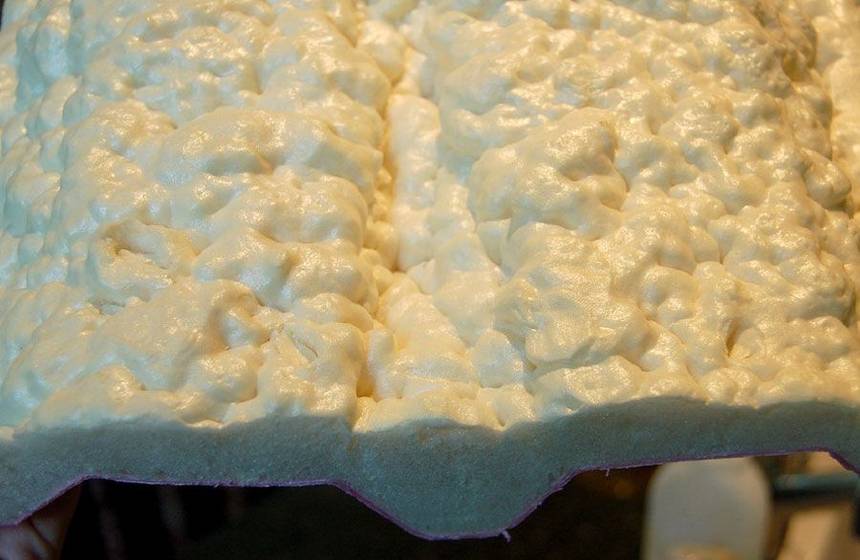
Customer-specific details available under NDA · Full case studies on request
See Polyurea Bed Liner in Practice
YouTube demonstration videos
@YongjiaPolyurethanemachinepuFrequently Asked Questions
What JYYJ machine is best for polyurea bed liner?
Do you supply the raw materials too?
How long is shipping to Russia / LATAM / Middle East?
Do you provide technical training and installation support?
What certifications does the equipment have?
Planning a polyurea bed liner project?
Share your output, voltage, and project scale. Pioneer recommends a matched JYYJ machine + material combination within 24 hours.