
300m² Cold Storage Insulation · Moscow
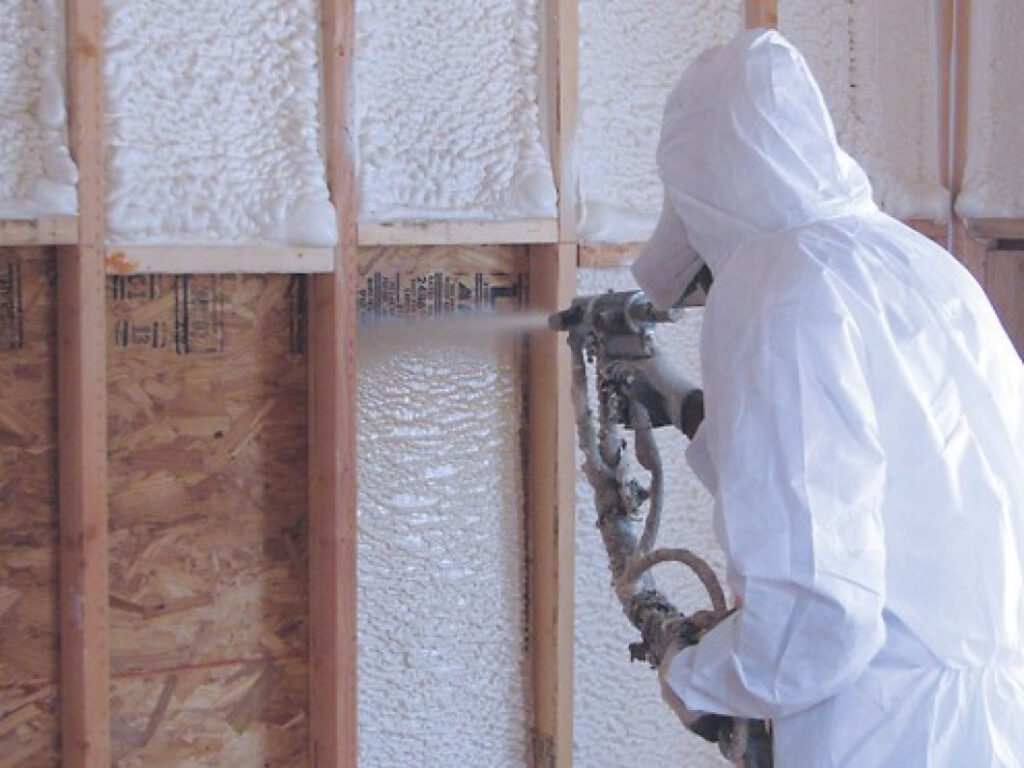
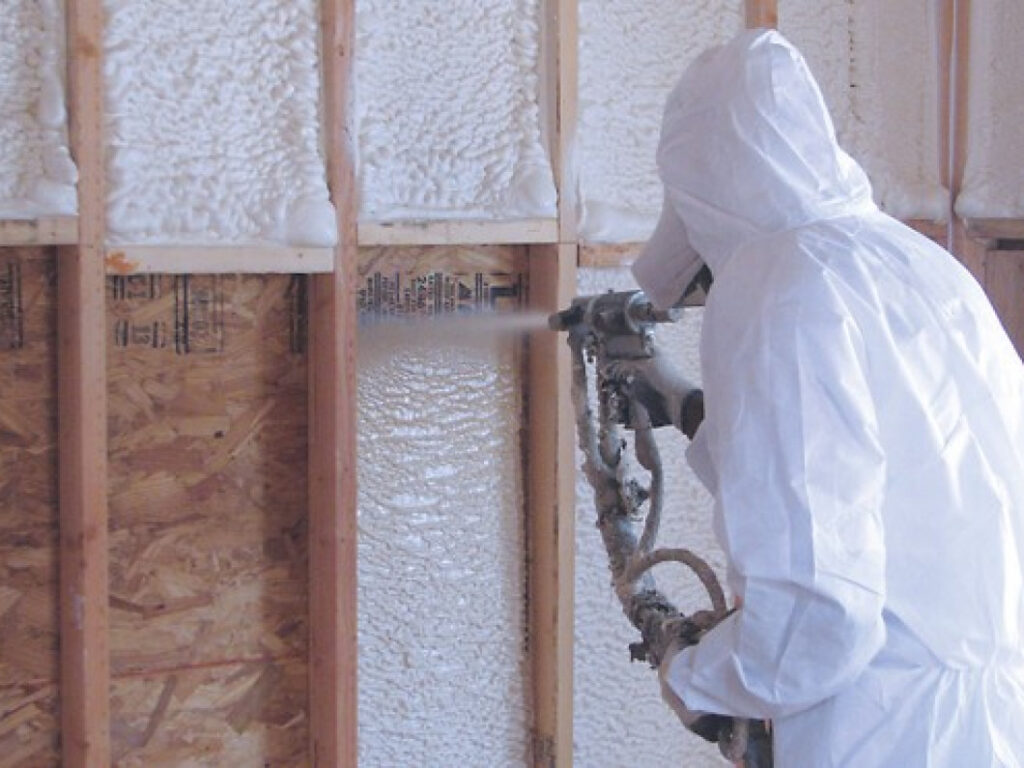
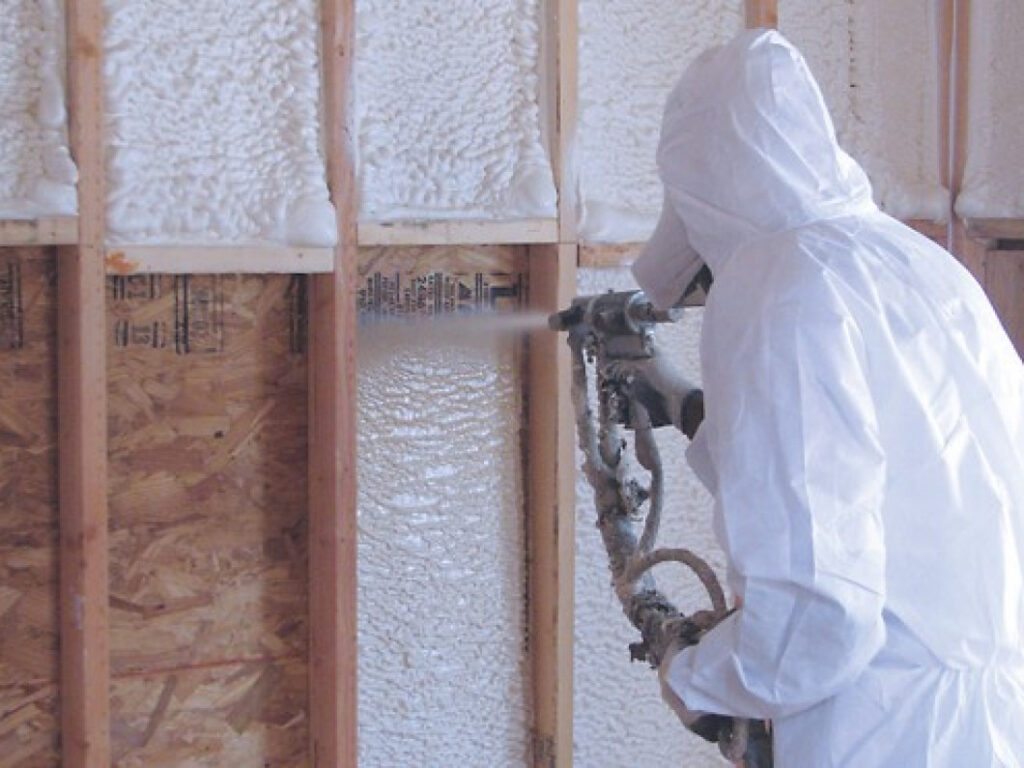
Meat processing cold storage at -25°C operational. Closed-cell PU foam at 40 kg/m³ with HFO blowing agent. Seamless closed-cell layer for a continuous, low-permeance thermal envelope.
Customer Type
Food Processing Company
Industry
Food Processing
Project Scale
300 m²
Duration
5 days
The Challenge
Meat processing facility required stable -25°C operation year-round. Previous fiberglass insulation suffered interstitial condensation causing degradation and HVAC overload. Customer needed seamless, zero-moisture-permeance thermal envelope.
Our Solution
Deployed JYYJ-H600 hydraulic spray with manual precision metering and adjustable 1:1~1:2 ratio. Applied 80mm closed-cell rigid PU foam at 40 kg/m³ density using Pioneer proprietary A-component (HFO blowing agent, F-Gas compliant) matched with BASF B-component.
What Pioneer Delivered
Not just a machine — a matched system, a trained crew on site, and after-sales backing end to end.
- On-site survey of the chamber walls, ceiling and HVAC load before any spray — so we sized 80 mm at 40 kg/m³ to the real -25 °C duty, not a generic spec.
- A single-source system — the JYYJ-H600 machine, the Pioneer HFO A-component and the BASF B-component matched and warranted together, not three suppliers blaming each other when foam density drifts.
- A spray crew trained to lay an unbroken 40 kg/m³ closed-cell film across cold-room walls and ceiling — the hard part of food-grade insulation is operator consistency, and we own it.
- Thickness QA and a schedule built around the meat plant's downtime — prep to return-to-service in 5 days, with the chamber back at -25 °C without lost production windows.
- Ongoing remote support for ratio and temperature tuning, plus re-order of the exact matched HFO foam chemistry — so the next chamber or repair is a phone call, not a new project.
Execution Process
-
1 · Surface Preparation
Strip the failed fiberglass batts and clean the wall and ceiling substrate down to a sound, dry surface. Any interstitial frost or damp insulation is removed so moisture is not trapped behind the new closed-cell envelope.
-
2 · Machine Setup & Calibration
Stage the JYYJ-H600 hydraulic unit and set the manual precision metering to the 1:1~1:2 ratio matched for the Pioneer HFO A-component and BASF B-component. Drum and hose temperatures are tuned so the closed-cell foam rises to a full 40 kg/m3 density.
-
3 · Closed-Cell PU Spray Application
Spray 80 mm of closed-cell rigid PU foam in multiple passes with the JYYJ-H600, building a seamless monolithic envelope across walls and ceiling. The continuous film leaves no joints or fasteners where interstitial condensation could form.
-
4 · Cure & Return to Service
The rigid foam cures hard within hours and the thickness is checked for full coverage before the room is brought back down to temperature. The chamber is pulled to its -25C setpoint and held within +/-1C with the HVAC running well under its former load.
Key Technical Highlights
Coating System
80 mm closed-cell PU @ 40 kg/m³
Rigid closed-cell foam acts as its own seamless vapor barrier — zero moisture permeance.
Spray Unit
JYYJ-H600 @ hydraulic
Hydraulic plural-component rig with manual precision metering for consistent high-density foam.
Mix Ratio
1:1 ~ 1:2 adjustable
Tuned for the Pioneer HFO A-component matched to BASF B-component.
Blowing Agent
HFO, F-Gas compliant
Low-GWP HFO blowing agent meets F-Gas regulation with low thermal conductivity.
Thermal Result
-25 °C ±1 °C
Stable setpoint held year-round with the seamless cold envelope.
Energy Saving
-18% vs fiberglass
Eliminated condensation and HVAC overload cut running energy by 18%.
Reference Design Targets
Design and specification targets for this application — not measured results from a specific customer project.
-25°C ±1°C
Temperature stability
maintained year-round
-18%
Energy consumption
vs previous fiberglass
5 days
Project duration
prep to return-to-service
Zero
Condensation issues
closed-cell vapor barrier
Why This Model Is Commonly Selected
The JYYJ-H600 is commonly selected for professional polyurethane foam and polyurea work: a 36 MPa hydraulic drive with stable 1:1 proportioning and 2–12 kg/min output for continuous commercial spraying. Depending on material and configuration it can be considered for insulation, roofing, cold storage and waterproofing.
Frequently Asked Questions
Pneumatic or hydraulic for professional work?
Can the H600 spray both PU foam and polyurea?
Recommended Configuration
- Main proportioning unit
- Fusion-compatible spray gun
- Two transfer pumps
- 15 m heated hose (7 m on D casting models)
- Tool kit
- IPPC export wooden case
Spray Foam Material Estimator
Estimate polyurethane foam material for your project. Enter area, thickness, density and waste allowance.
Estimated values only. Actual consumption varies with substrate condition, operator technique, overspray and material performance. Assumes ~1:1 A/B and ~8 kg/min output.
Planning a similar project?
Share your output, voltage, and project scale. Pioneer recommends a matched JYYJ machine + material combination within 24 hours.
Reference Configuration: This page shows a reference machine configuration for a typical application, based on Pioneer's equipment specifications — not verified performance data from a specific customer project. Figures are design targets or typical values, not measured results. Verified delivery records (real machine + destination country + shipment photos) and documented customer projects are available on request.